Compare complete lines, downstream conversion equipment and machines for a new plant or an existing line.

Complete needle-punched blanket production from raw material melting to rolled finished product. Brochure capacity: 3,000–10,000 t/year.
View Details →
Batch or continuous wet forming, drying, sanding and CNC cutting. Brochure capacity: 500–2,000 t/year.
View Details →
Bulk fiber production using centrifugal spinning. Raw material for blankets, boards, modules, and loose-fill insulation.
View Details →
Lightweight flexible felt for wrapping, gasketing, and thermal barrier applications. Low density, high flexibility output.
View Details →
Wet-laid paper production for thin, flexible high-temperature gasketing sheets. Thickness 0.5mm–6mm, width up to 1200mm.
View Details →
Folding and compression equipment for furnace lining modules, edge-grain blocks, and Z-blocks. Automated stacking and strapping.
View Details →
Lamination line for aluminum foil backed blankets used in HVAC, building insulation, and appliance thermal barriers.
View Details →
Vacuum forming and CNC machining for custom shapes — pipe sections, cone adapters, furnace door linings, and more.
View Details →The individual machines that decide fiber quality, blanket density and the quality of the finished braided packing
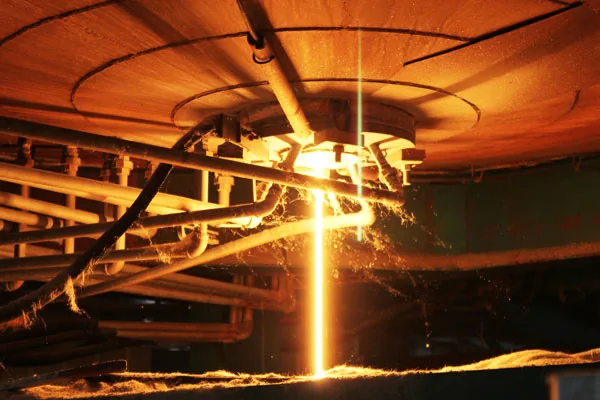
Two-roller centrifugal fiberising — the stage that sets fiber diameter and shot content for everything downstream.
View Details →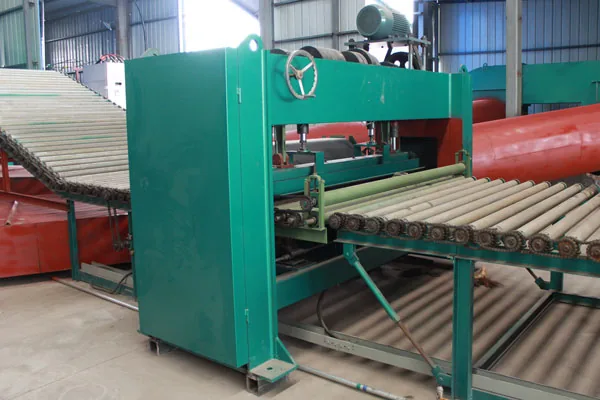
Double-board needling that bonds the web and sets blanket density, tensile strength and surface finish.
View Details →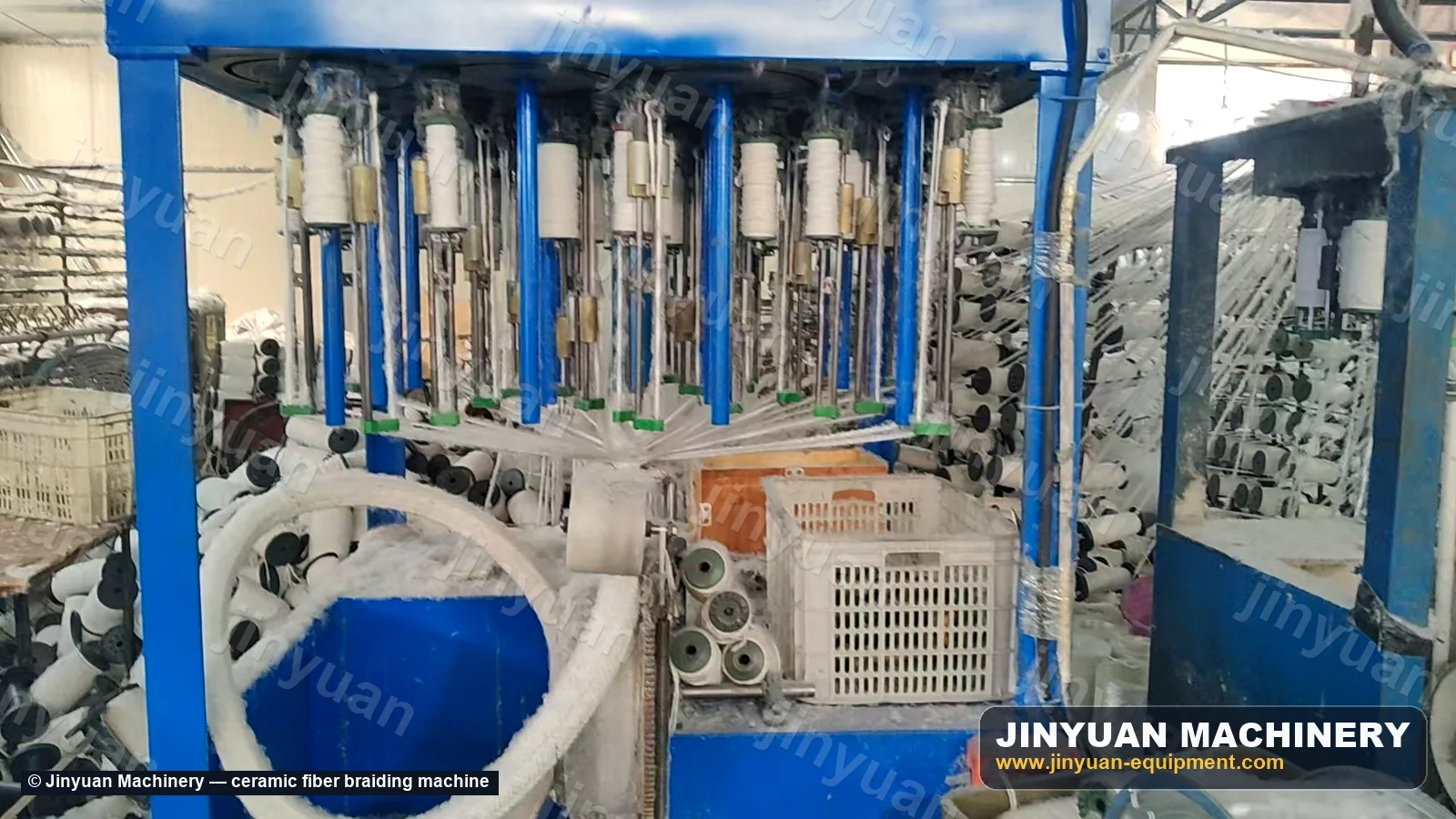
Maypole braiders turning ceramic fiber yarn into gland packing, rope and sleeve — 8 to 64 carriers, sized to your section range.
View Details →Compare what each system makes, what it needs and how it fits your plant.
| Equipment | Feed or input | Output | Project fit |
|---|---|---|---|
| Blanket Line | Alumina-silica raw materials | Needled blanket rolls | 3,000–10,000 t/year; complete line |
| Board Line | Bulk ceramic fiber and binder | Rigid board | 500–2,000 t/year; batch or continuous |
| Cotton / Bulk Fiber Line | Alumina-silica raw materials | Loose bulk fiber | Upstream fiber supply |
| Felt Line | Ceramic fiber batt or fiber feed | Flexible felt | Forming and light needling |
| Paper Line | Fiber slurry | Thin flexible sheet | Wet-laid forming and drying |
| Module Equipment | Finished blanket | Compressed modules | Downstream folding and compression |
| Shaped Parts Equipment | Bulk fiber and part drawings | Custom formed shapes | Vacuum forming and tooling |
| Foil-Faced Line | Blanket and facing material | Foil-faced blanket | Downstream lamination |
| Spinning Machine | Molten ceramic feed | Spun fiber | New fiberizing stage or retrofit |
| Needle Loom | Formed fiber batt | Needled blanket | New needling stage or retrofit |
| Braiding Machine | Ceramic fiber yarn | Braided packing and rope | Stand-alone downstream machine |
Board and blanket figures are brochure ranges. Confirm the finished specification and operating calendar for your proposal.
Most ceramic fiber plants are not built in one step. They are built in stages as the local market develops, and the order matters because each stage feeds the next.
Stage 1 — melting and fiberising. A cotton line produces bulk fiber. It is the smallest capital step and the output is saleable on its own to converters without melting capacity. It also sets the quality ceiling for everything you later add.
Stage 2 — primary conversion. A blanket line is usually next, because blanket is the largest and most liquid product market. Board is the alternative if your market is furnace linings and hot-face insulation rather than general industrial insulation.
Stage 3 — value-added conversion. Module equipment, foil-facing, paper and shaped parts all convert blanket or bulk fiber into higher-margin specified products. These are the smallest capital additions and the best margin improvements.
A fourth route — braided sealing products. A braiding machine is a different kind of conversion. It does not take blanket; it takes spun yarn and turns it into gland packing and braided rope for pumps, valves and furnace door seals. The tonnage is far smaller than an insulation line, but the margin per kilogram is materially higher, which is why converters often add it once the fiberising section is stable.
If you plan more than one stage, tell us at the start. Reserving space, power capacity and conveying routes during stage one costs far less than retrofitting around equipment that is already running.
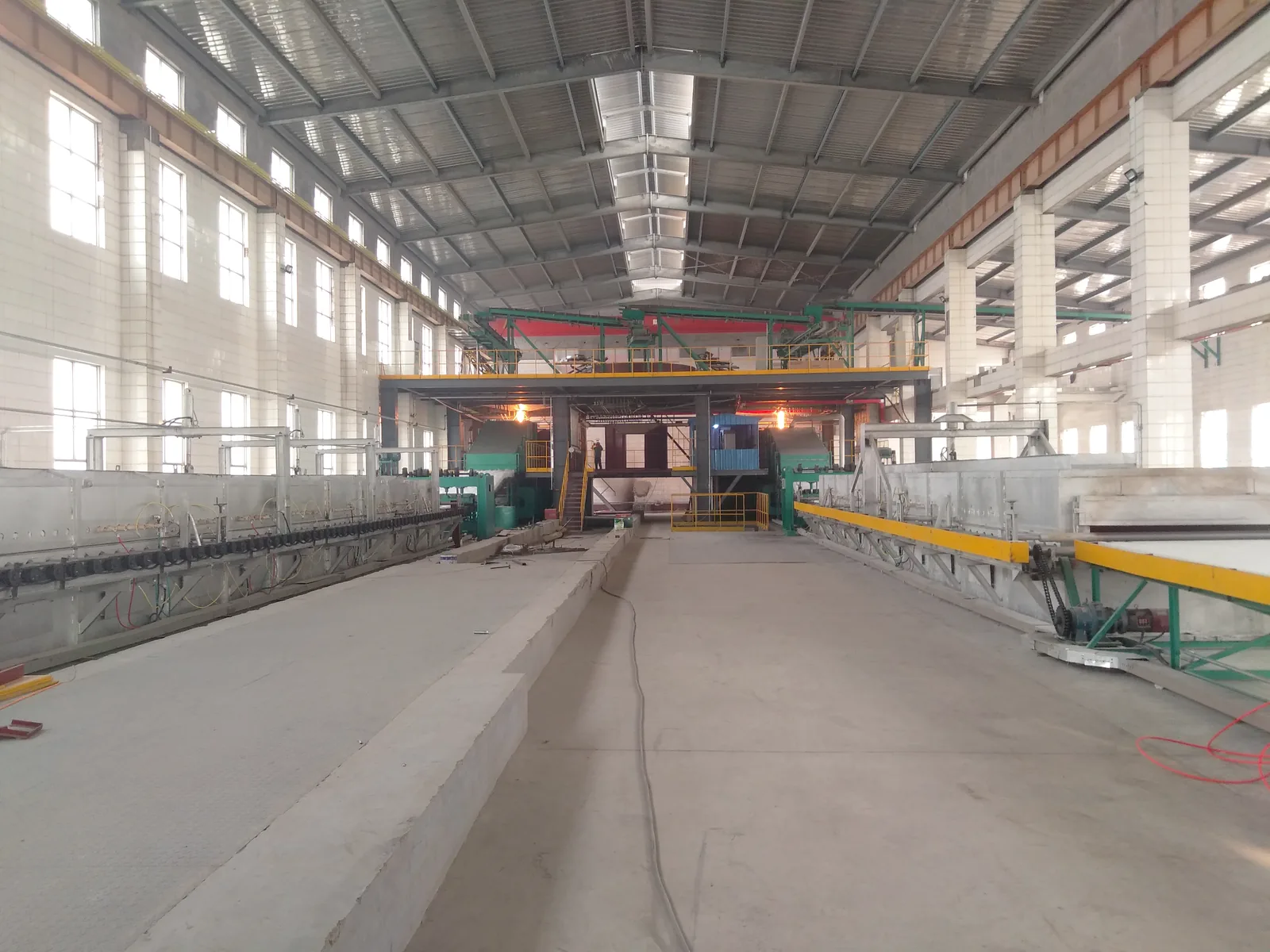
Common questions when comparing ceramic fiber production lines
Tell us your target product and annual output — our engineers will recommend the right configuration.
Talk to an Engineer