
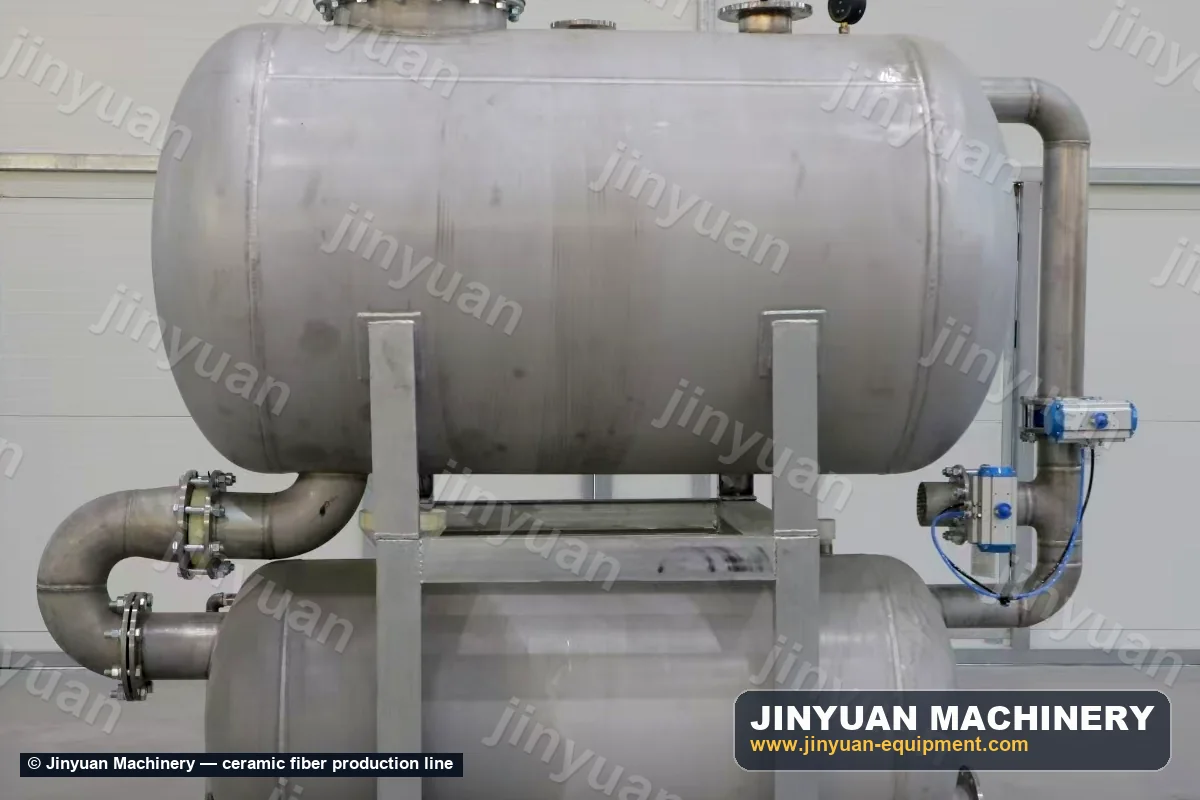
Water and Fiber Recovery in Ceramic Fiber Board Production
Track freshwater demand, white-water circulation and recovered solids on a consistent shift basis.
Practical knowledge on ceramic fiber production — from engineers who build the lines
Track freshwater demand, white-water circulation and recovered solids on a consistent shift basis.
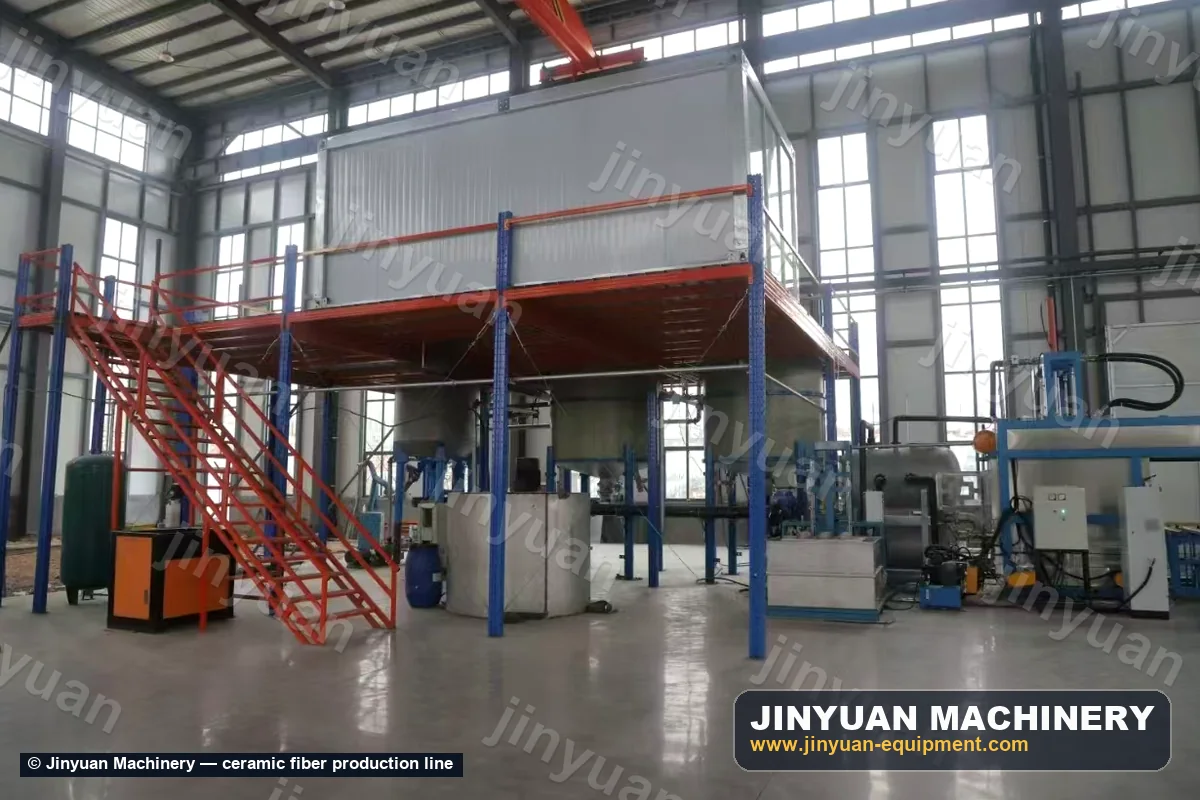
How to check an eight-hour output target against wet forming, dryer loading, finishing throughput and available utilities.
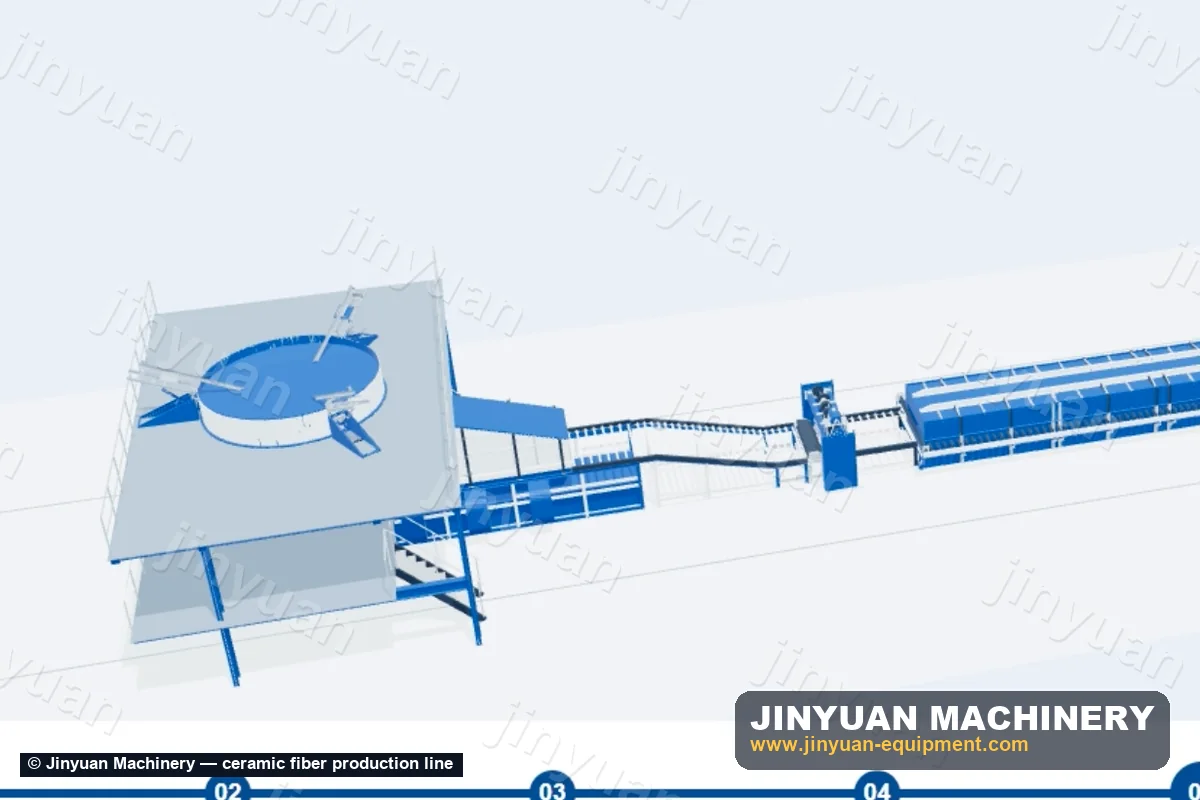
Eight stages, seven handoffs: the indicator that proves each handoff arrived in spec, and the backwards index from a failed number to the interface that owns its cause.
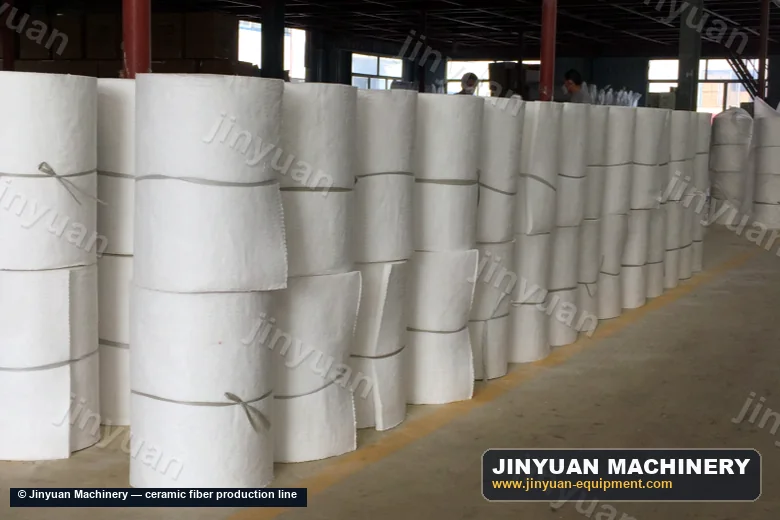
Six designations from STD to HZ, the one chemistry ladder behind them, and the red line between classification temperature and service temperature.
Ten datasheet numbers, one hierarchy: which indicator grades the product, what the other nine mean in service, and what a report must carry to count.
The four protections and the batch ledger: moisture, deformation, contamination and the warehouse rules that keep a well-made blanket arriving as it was made.
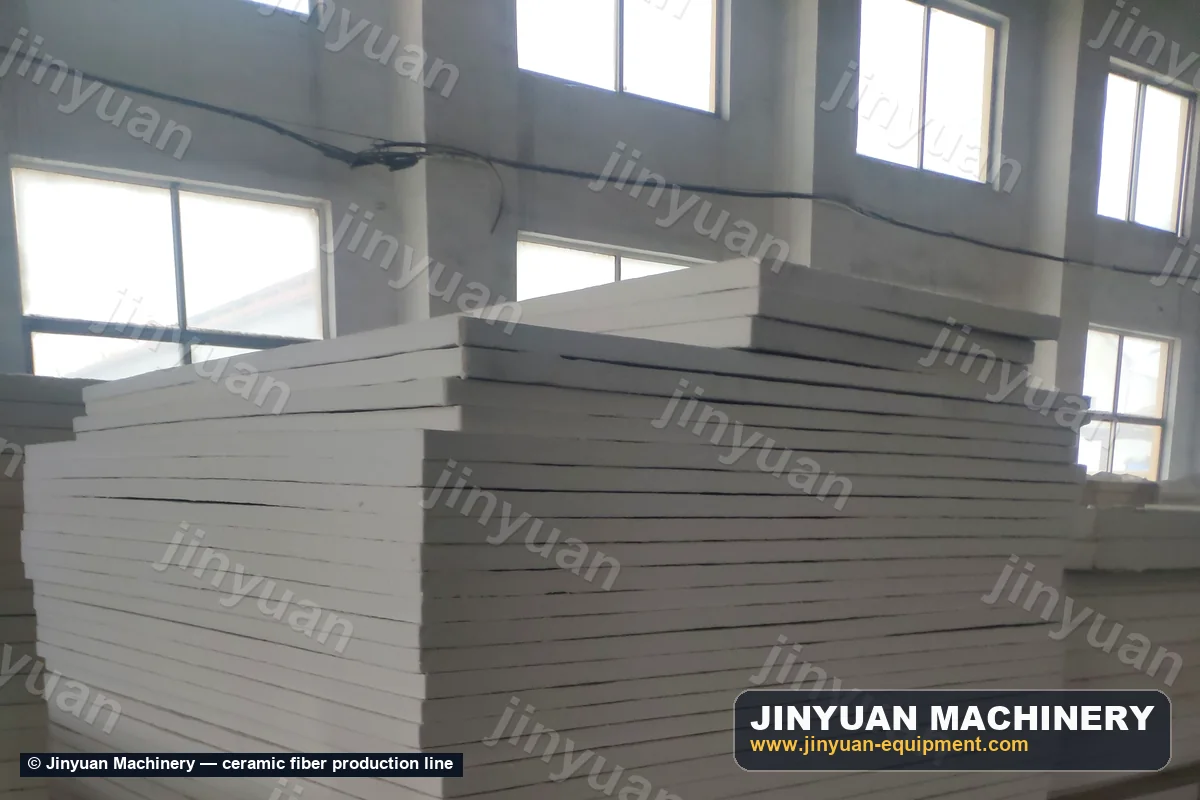
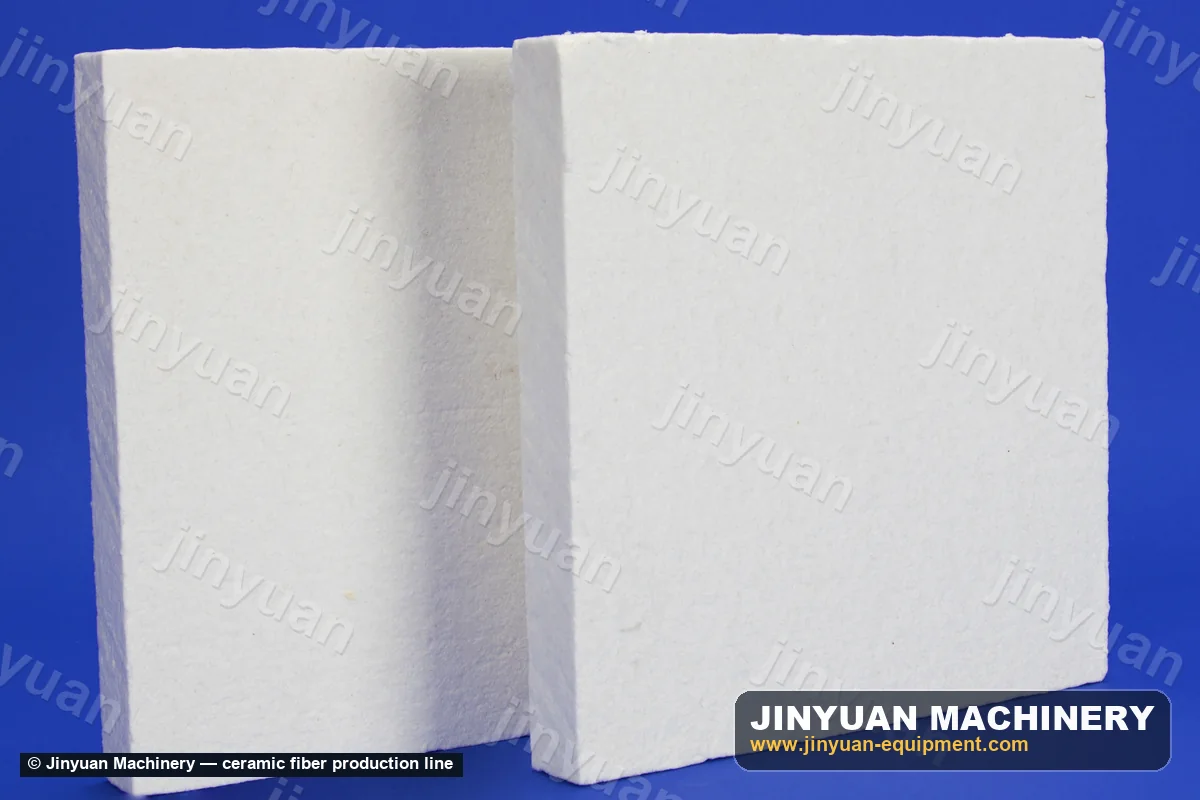
A filtered skeleton, welded at the crossings: what a ceramic fiber board is, the four names it carries, and the five misreadings that cost money.
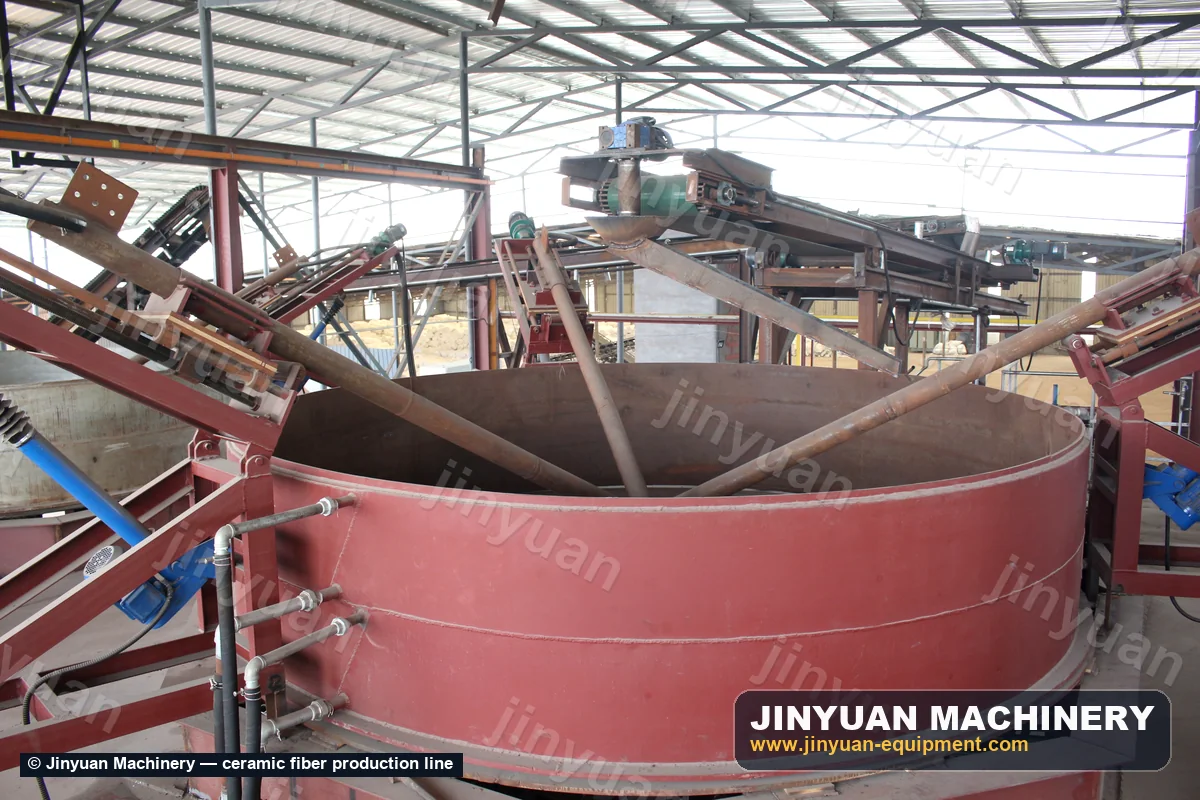
Five rungs from dry batch to a glassy stream: the melting ladder, the two uniformities homogenization owes the orifice, and the route-split viscosity windows the stream must meet.
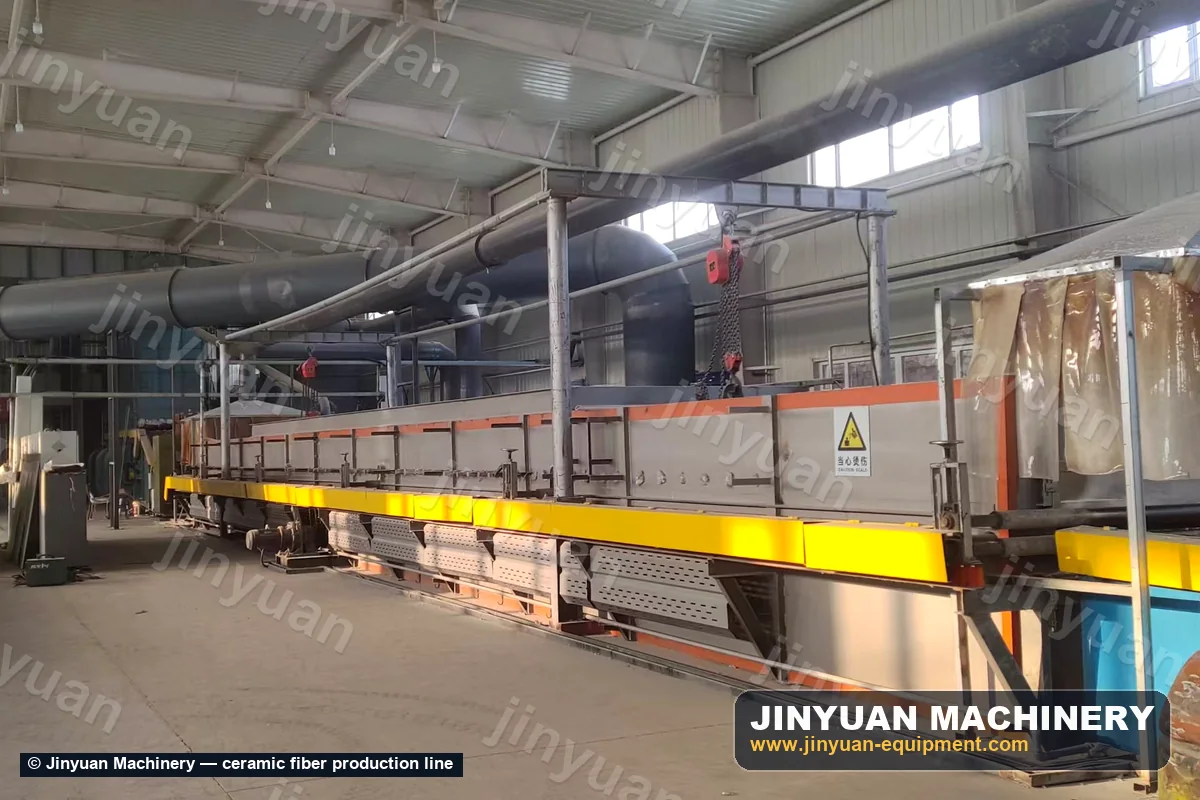
Burn-off, setting and microcrystallization as three jobs in one tunnel: the public process windows behind each band, the property each one writes, and the shrinkage number that sets service life.
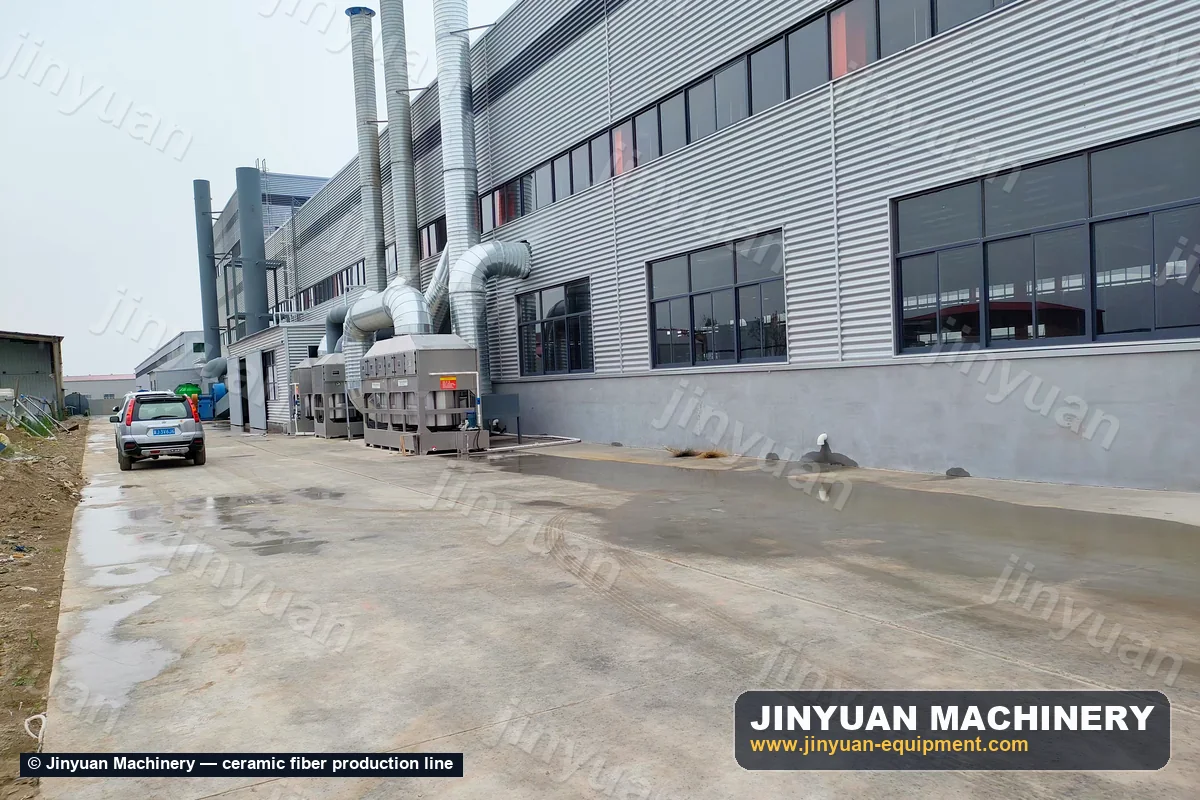
Five sectors, the temperature grade each one demands and the product form each geometry accepts: the application map as a specification document.
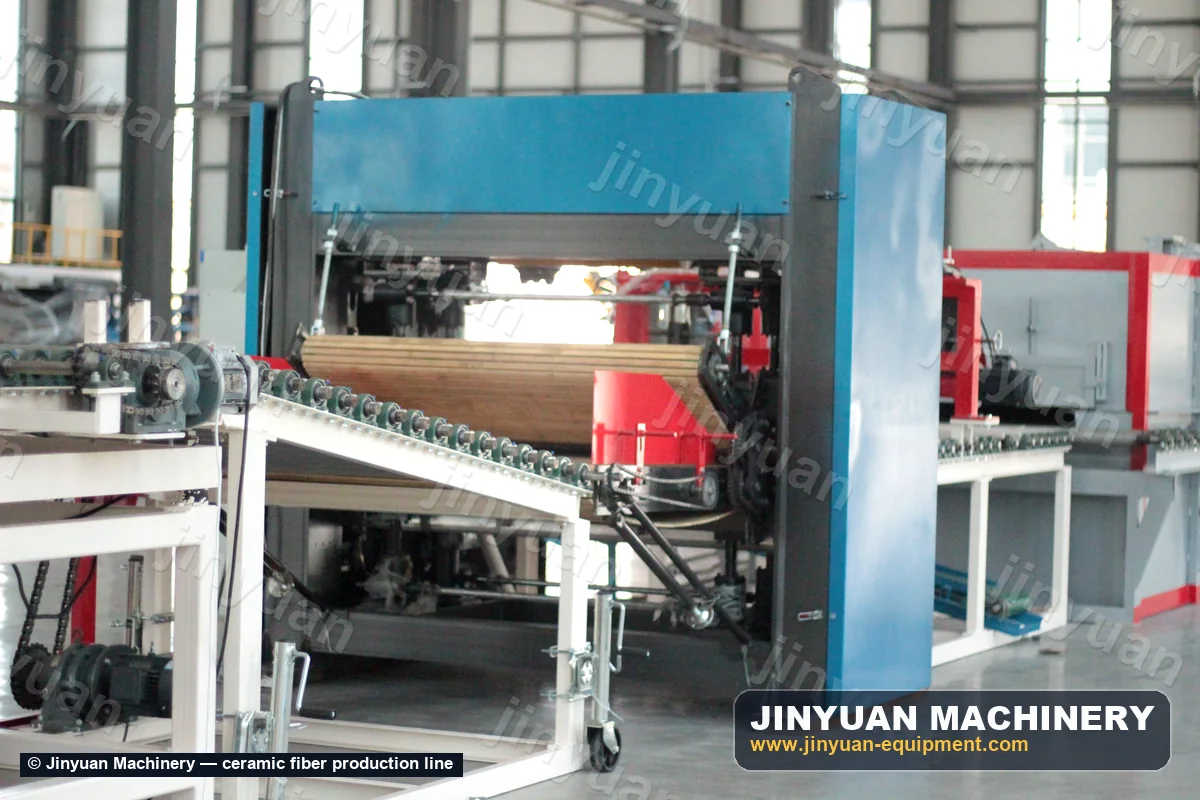
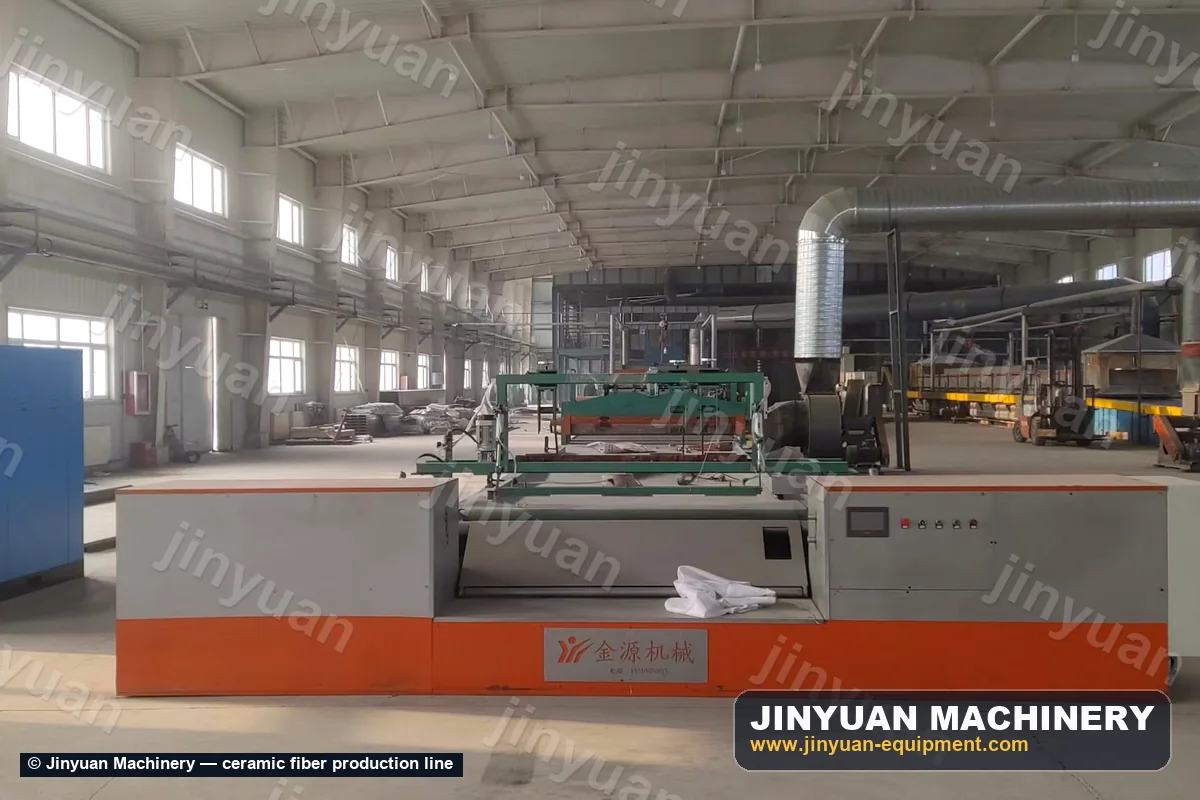
The drive chain, the lifters that set penetration depth, and the three design moves that let a double-board needle loom change specification without stopping.
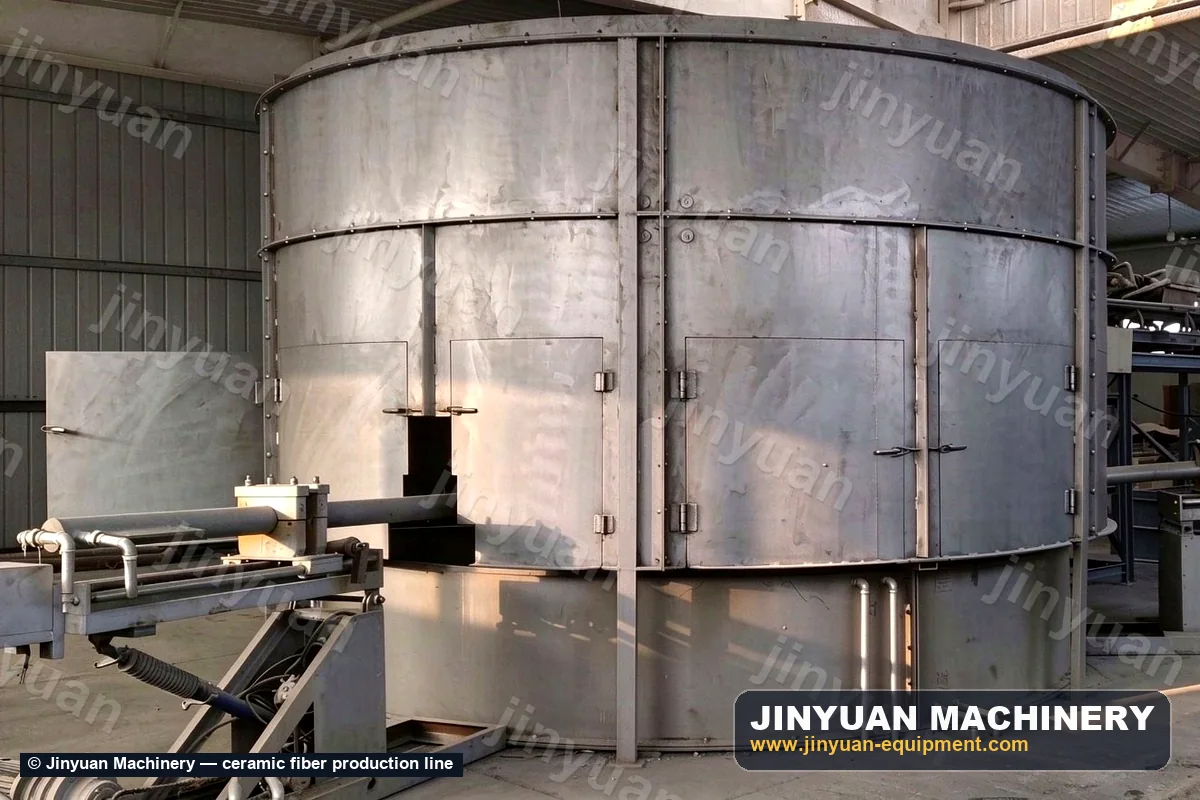
The melt that heats itself, the orifice that meters it, and the campaign that must not break: the resistance furnace at the heart of the line.
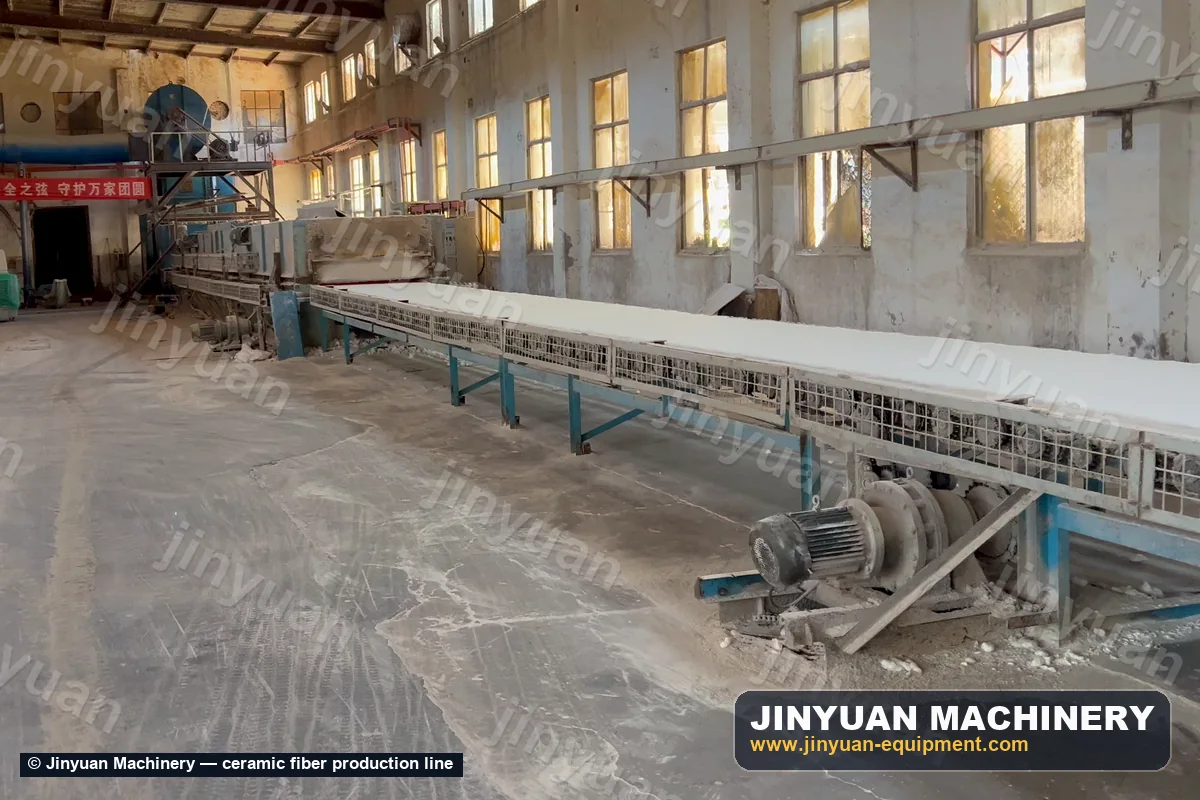
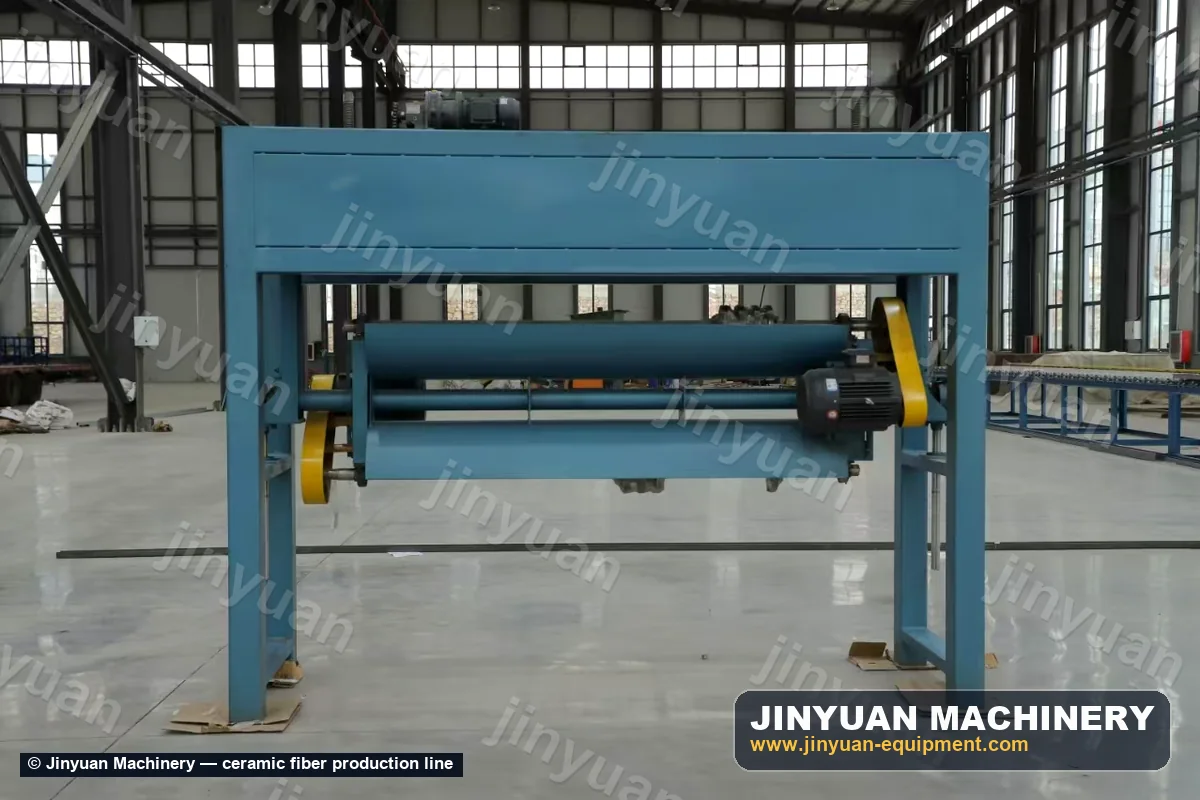
Equipment sizing, two speed governors, five wear parts and four retrofits: the line read as a constraint chain instead of a catalog.
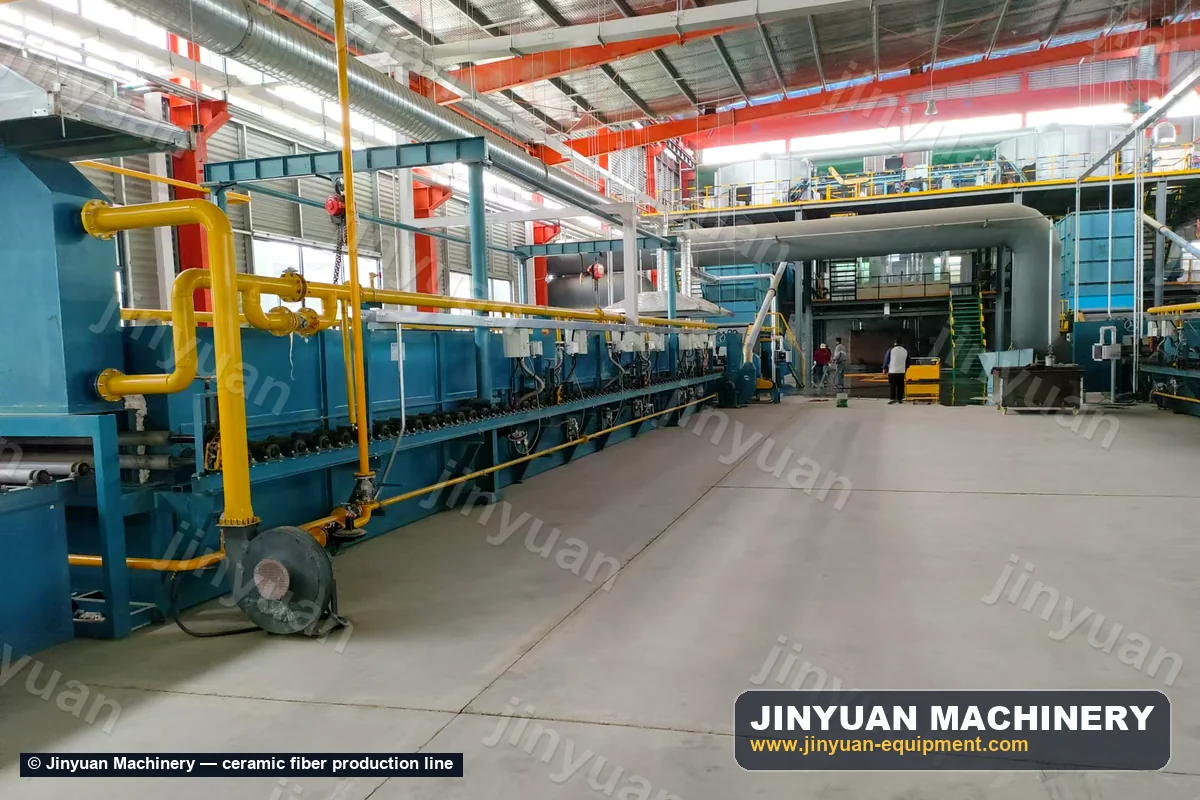
Four zones, one ramp curve, five maintenance clocks: the furnace that turns needled felt into a blanket with a service temperature — and the regime that keeps its curve true.
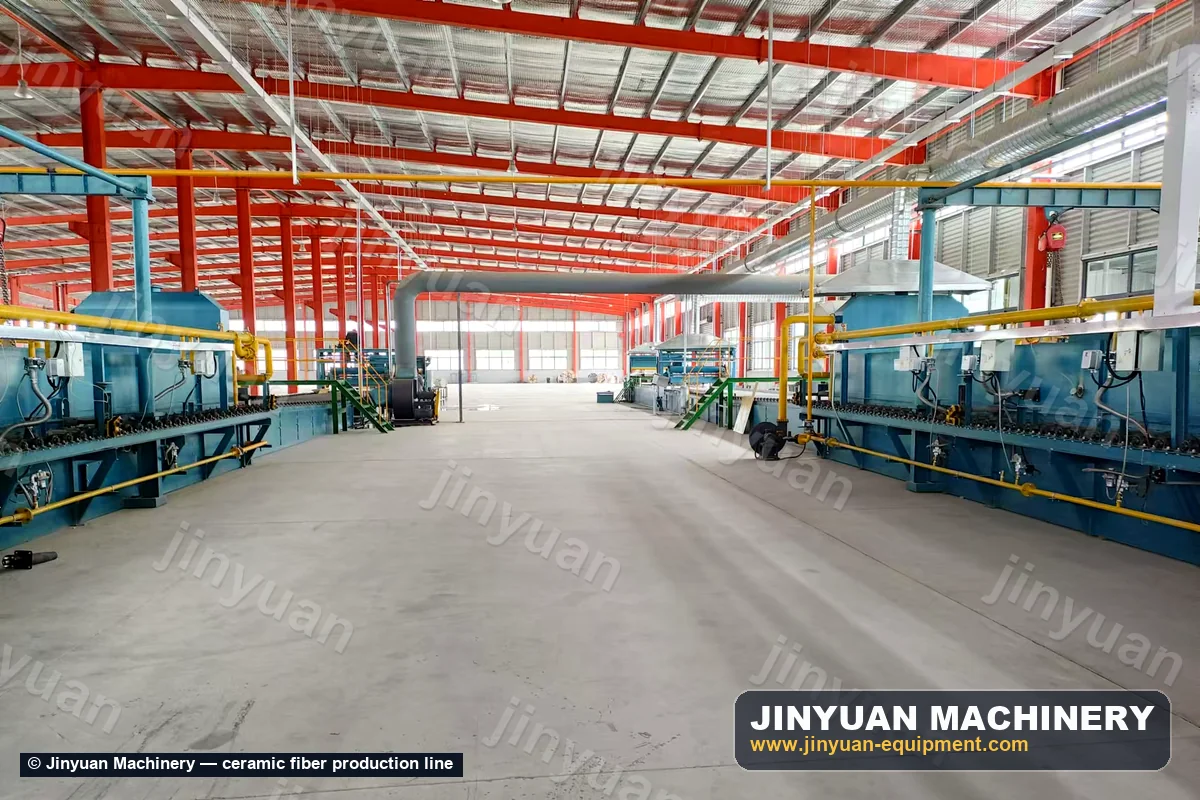
Twelve faults, one owning process each: the field index that routes every blanket symptom to its first check, walks the elimination gates and keeps the fix fixed.
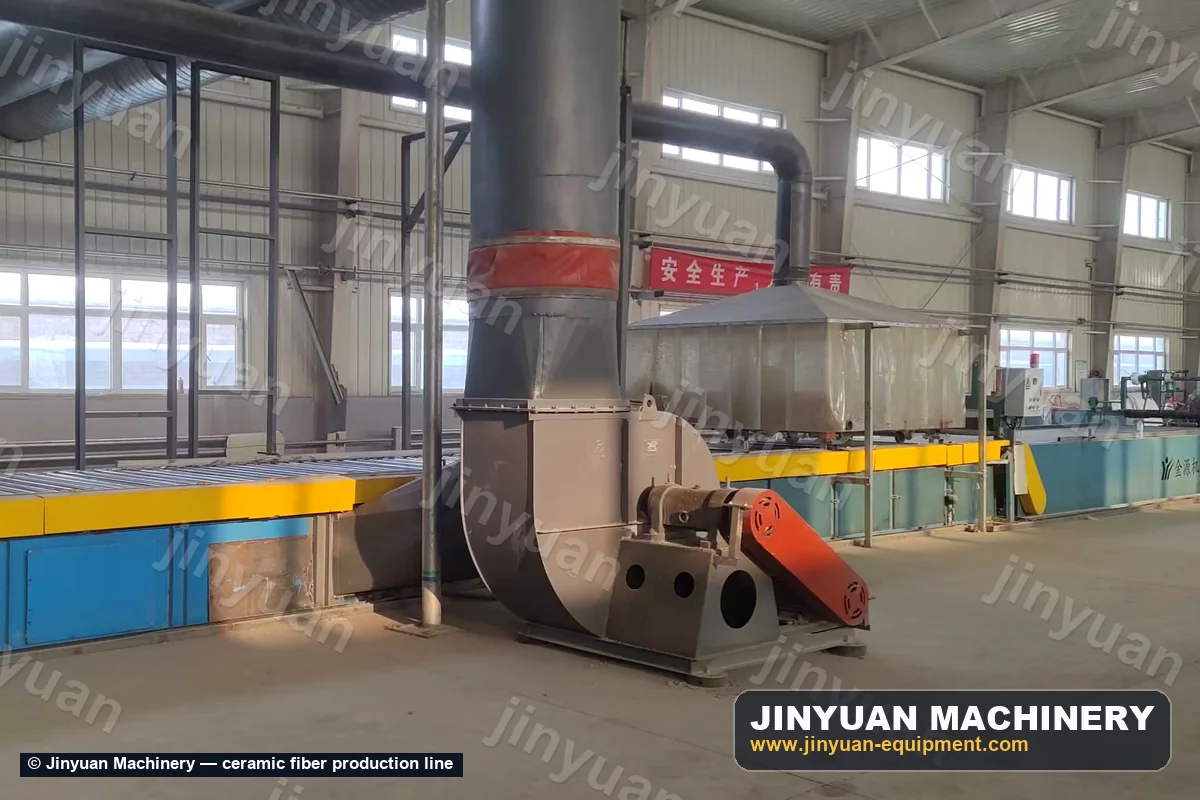
Thirteen test items, the standards that measure them and the process that owns each failing number — from guarded-hot-plate conductivity to the retest-and-trace rule.
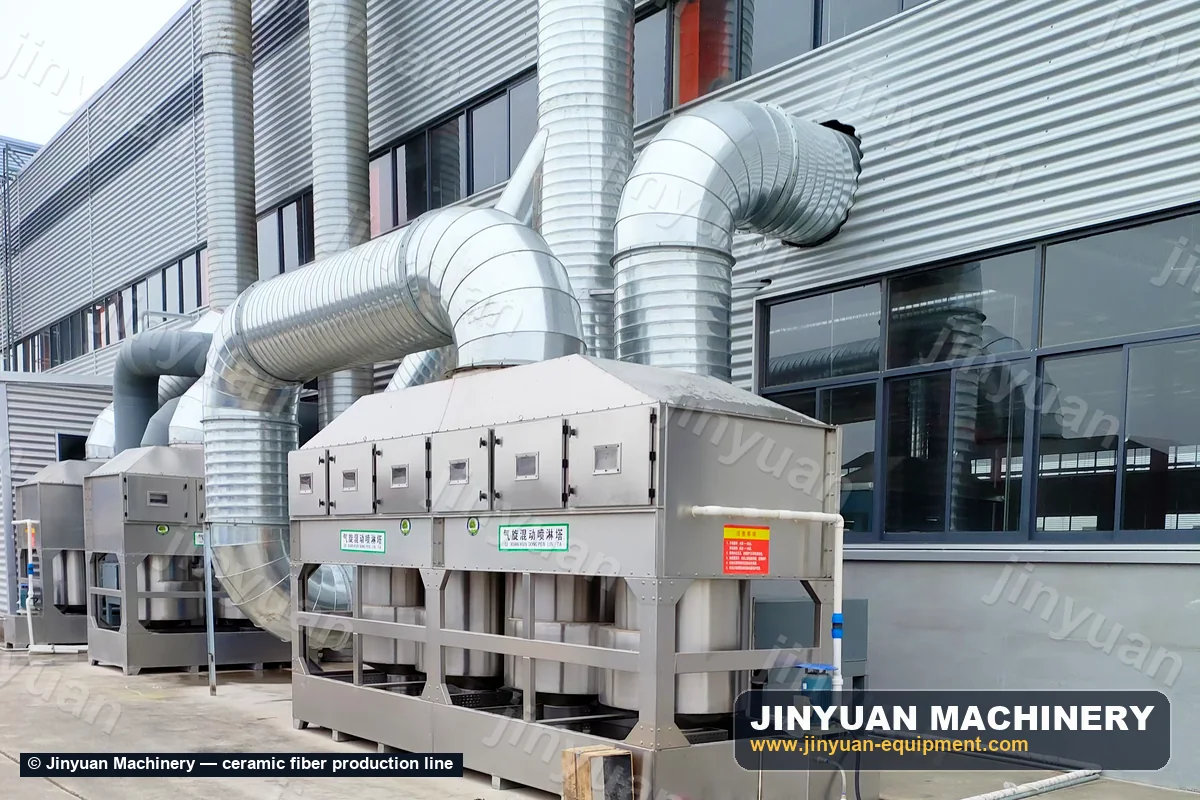
One air circuit serves forming vacuum and emission capture: fan balance, duct velocity, collector choice and the pressure-difference readings that keep both masters served.
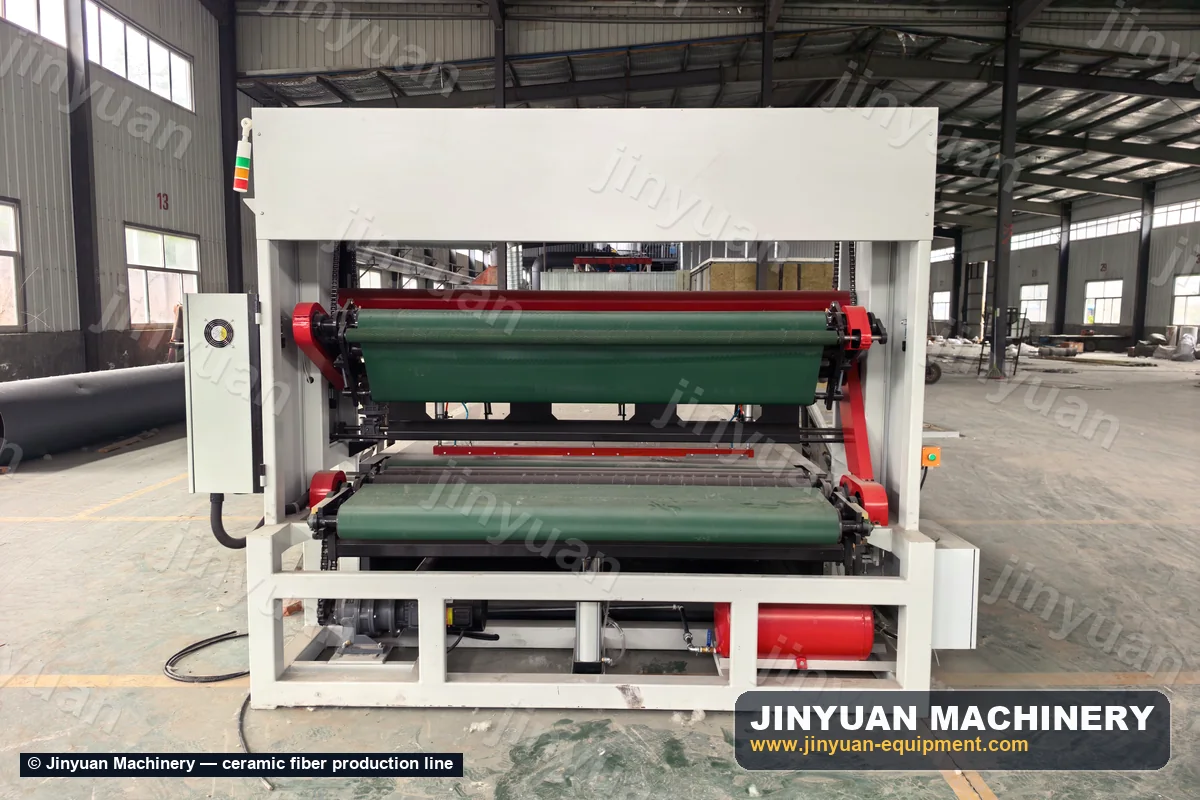
Edge trim, 610/1220 widths, length meters and winding tension — how the finishing end turns continuous blanket into contract-correct rolls, and why thick blanket ships in short lengths.
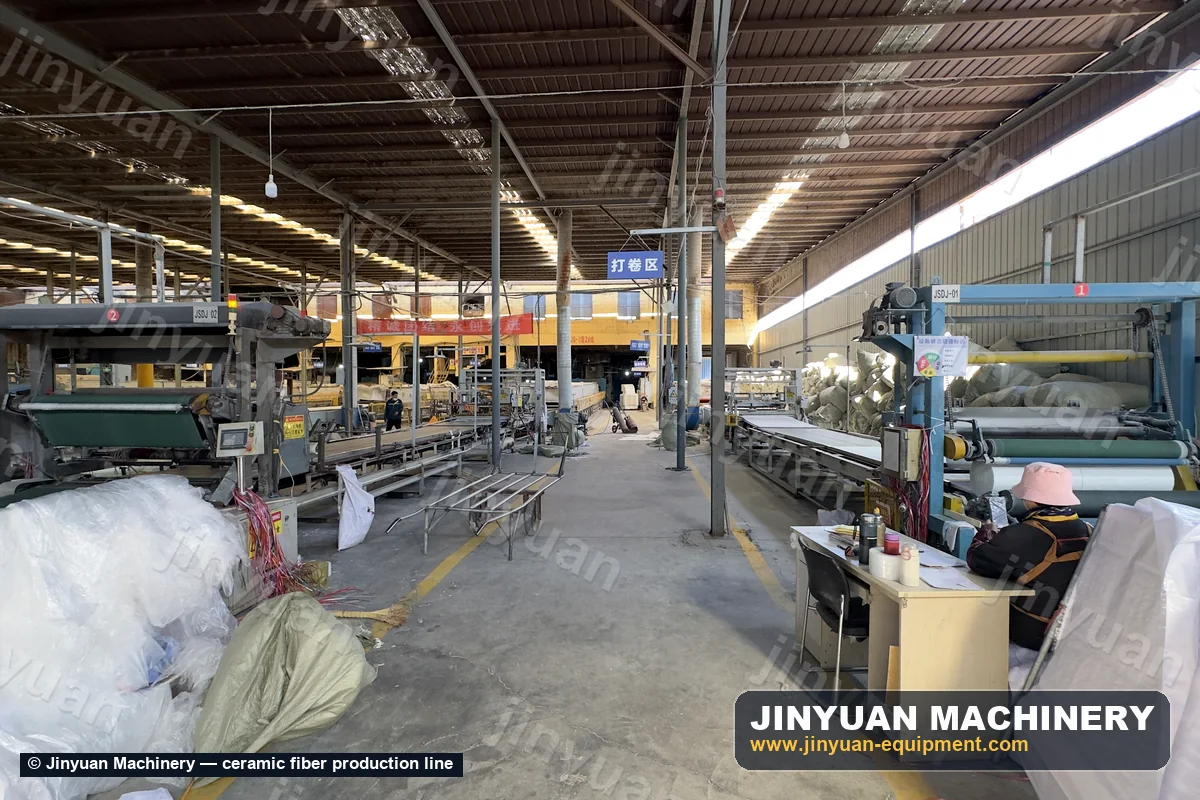
Negative-pressure collection, the S-shaped wind field, air trim and belt speed — the collection chamber as a machine, and the batt uniformity no later stage can repair.
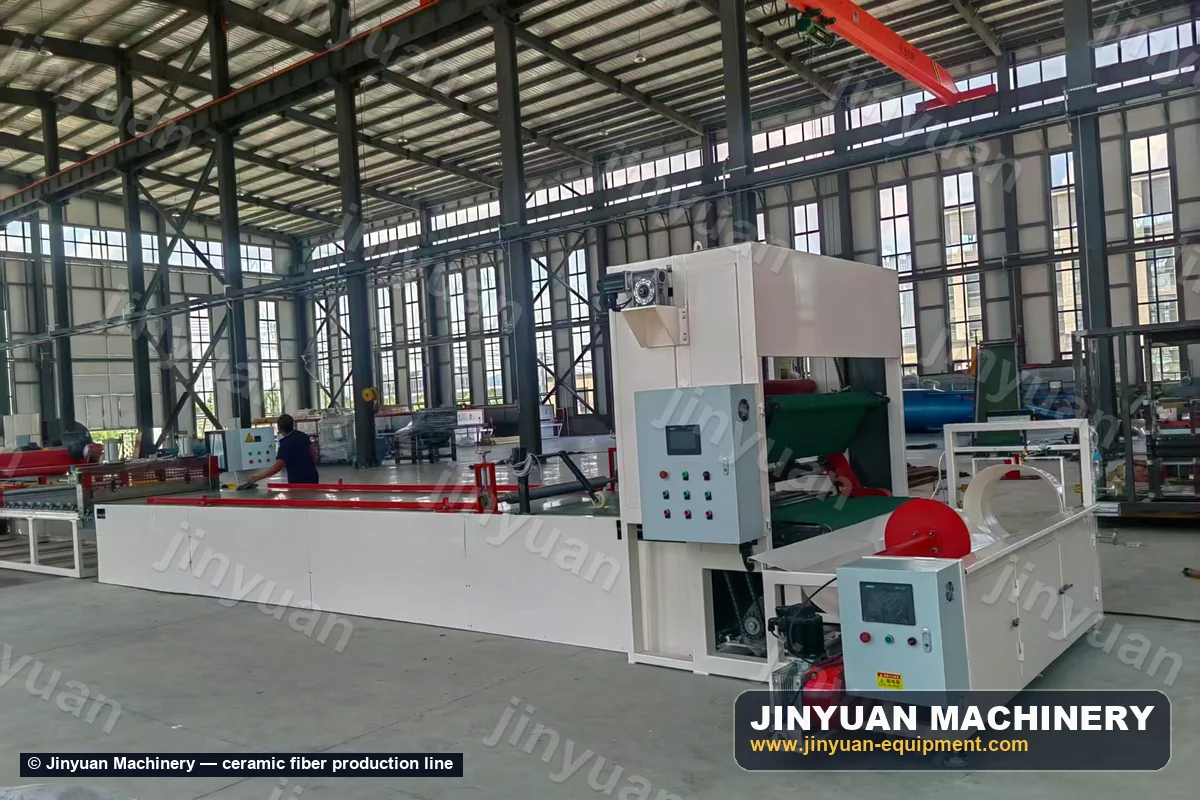
Crushing to 200 mesh, weighing to recipe, mixing, drying and feed rhythm — the five unit operations of the batching house, their control points and the defect table that reads bad rolls back to their batch cause.
Round, square and flat braiders decoded across eight dimensions — carrier count, rotor diameter, posture, tracks, speed, enclosure, drive and structure — with the selection order that turns a product list into a machine spec.
The 96, 128 and 160 kg/m³ parameter sets in full, thickness cross-tuning, areal-density and roll-weight math, curing curves by thickness and the changeover sequence with its failure table.
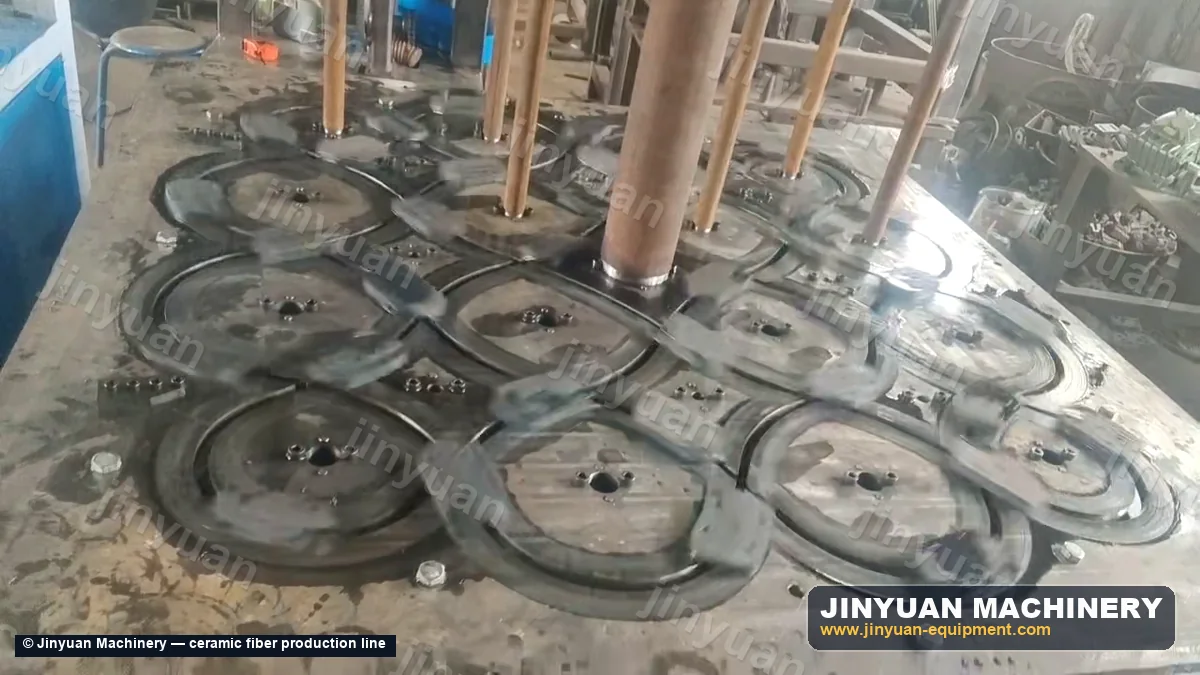
The fiberizing family tree: roller machines from single-roller to the two-roller mainstream, disc machines for the colloidal polycrystalline route, the vacuum branch — and the selection logic from product to route to tonnage.
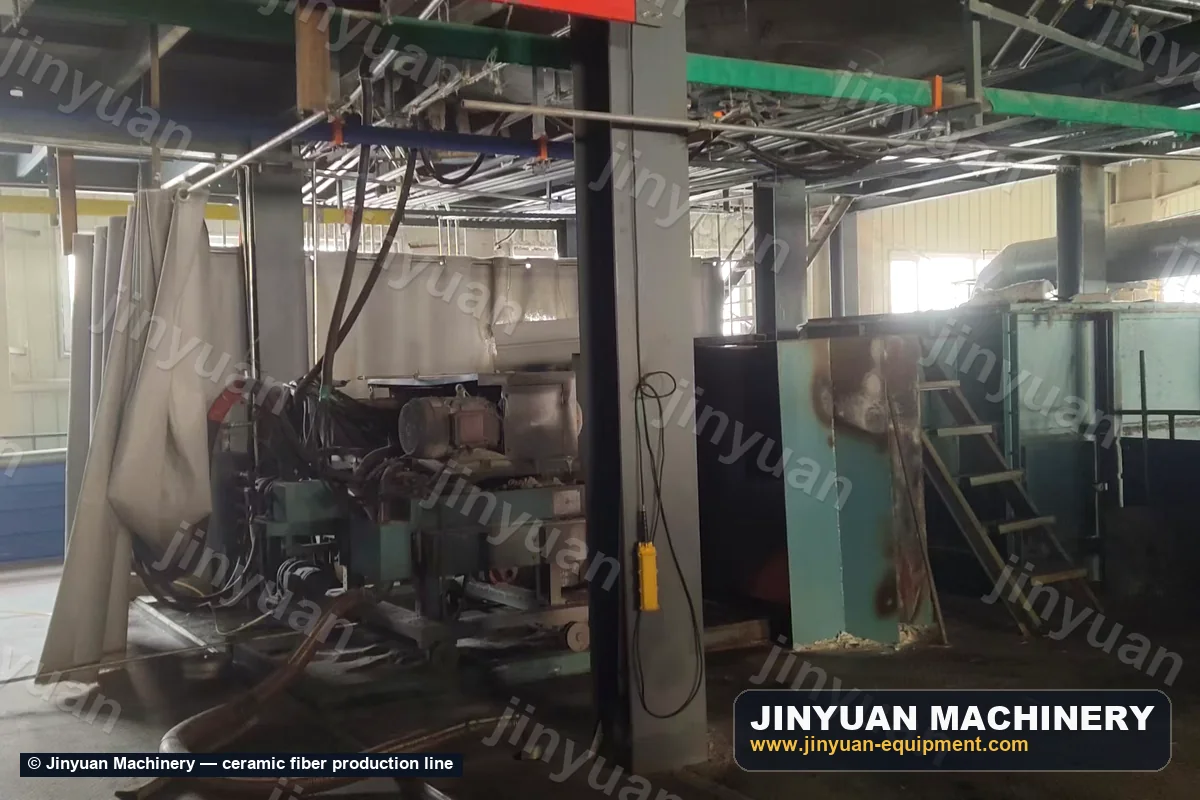
The control window of every stage of a needled-blanket line: the four master variables, six stage-to-stage linkages, a worked 128 kg/m³ recipe and a symptom-to-check fault table.
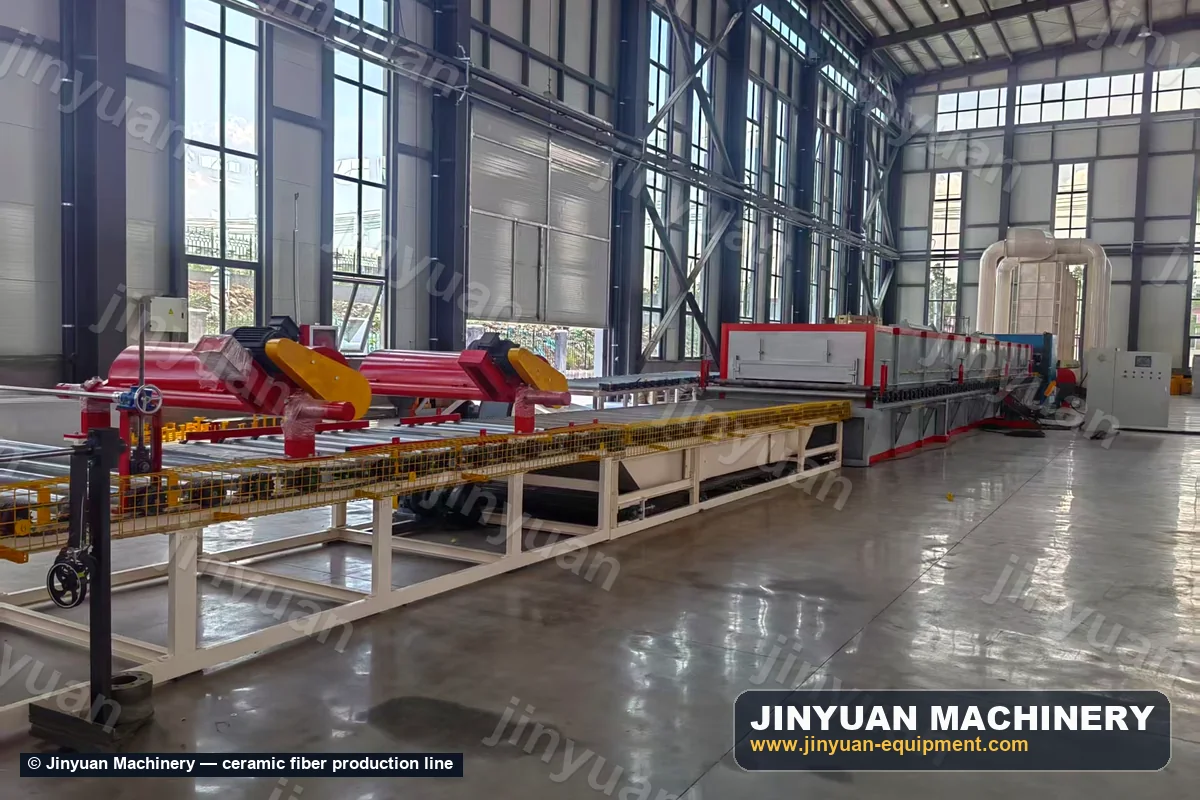
Automation as the order-winner, new-energy kilns, energy limits clearing capacity and REACH at the border: what each of the four shifts changes on your next line specification.
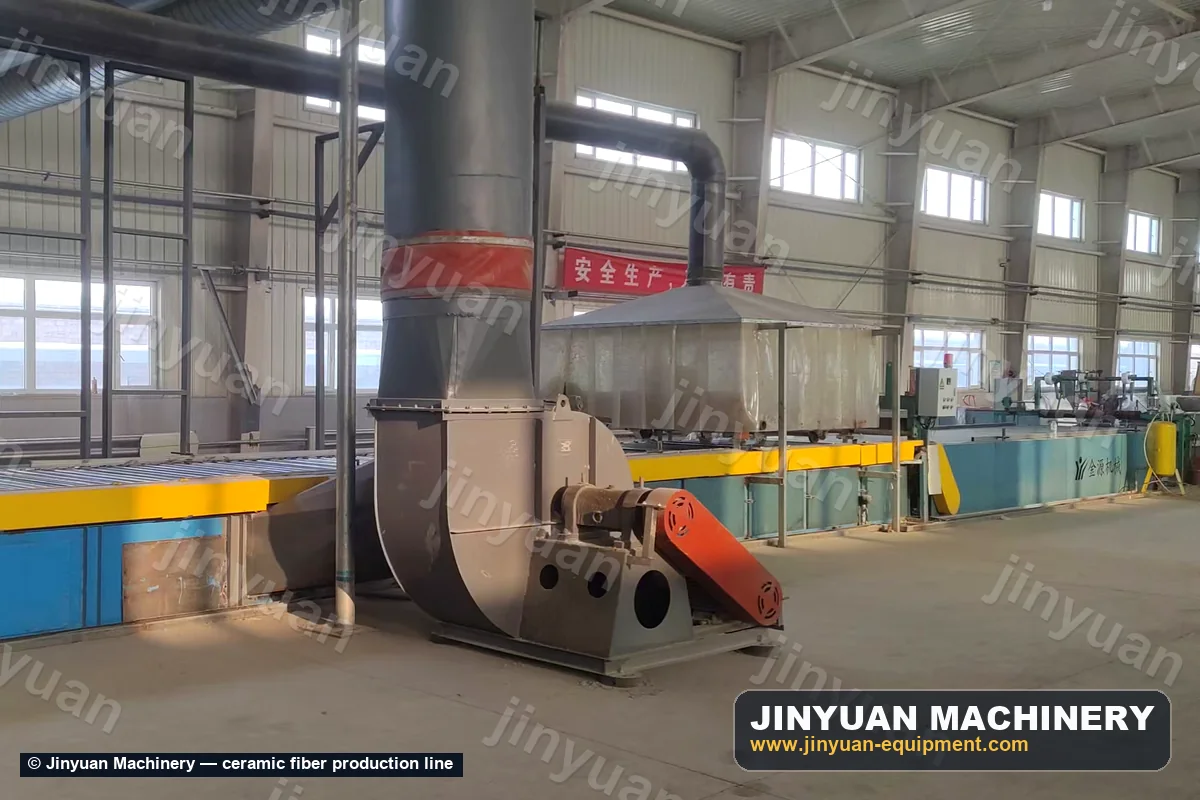
Six cost lines, a break-even near a third of nameplate and a five-to-six year payback: the unit-economics model behind a spun blanket line, with the arithmetic shown so you can re-run it on your own tariff.
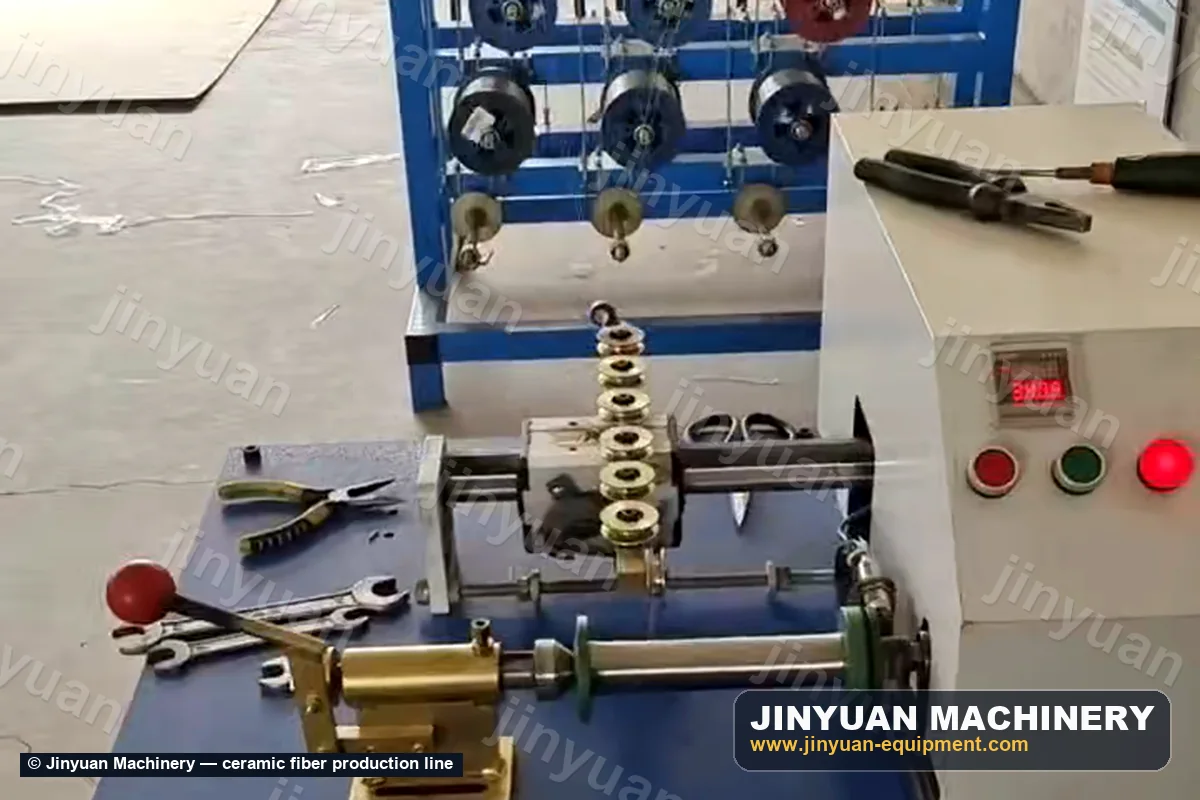
Borrowed from textiles, then rebuilt five times around a yarn that cannot stretch: tension weights, enclosure, inverters, break-stop and in-braid impregnation.
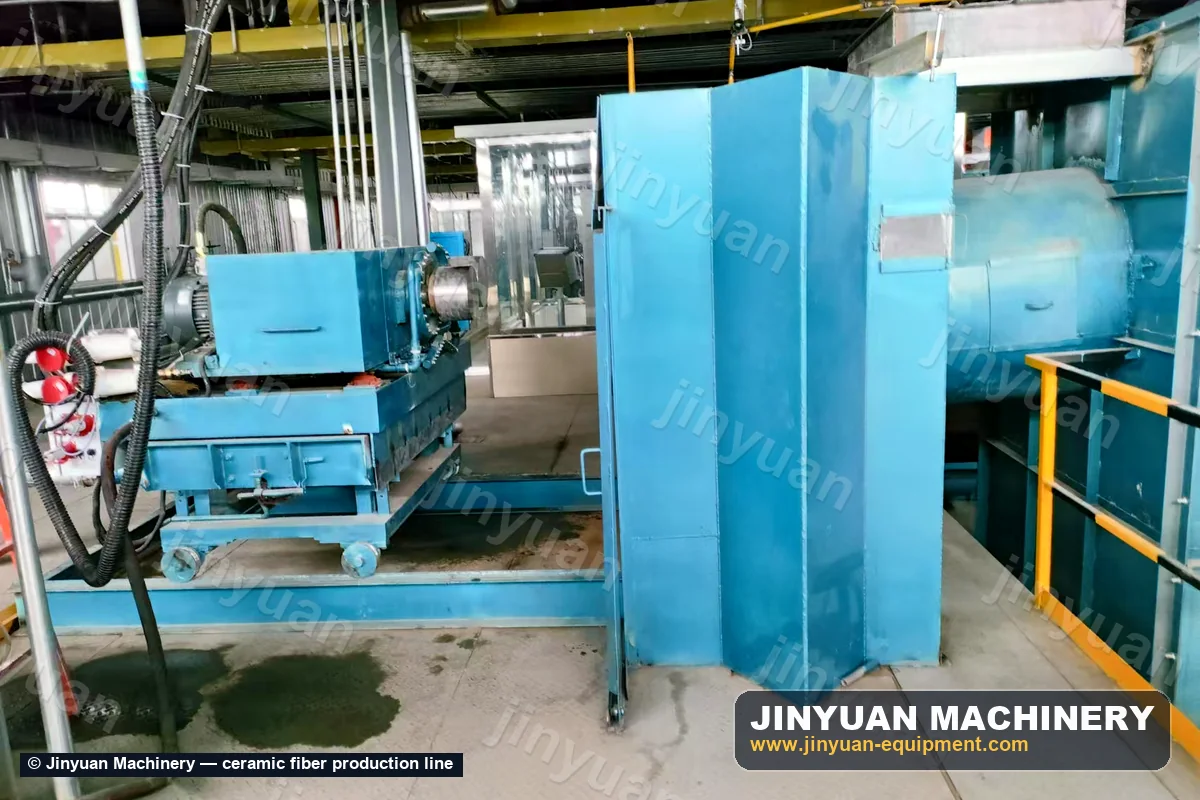
Rollers, bearings, belts and the cheap parts that take them with them: the wear limit behind every interval, the safety-stock numbers, and what the purchase order has to say out loud.
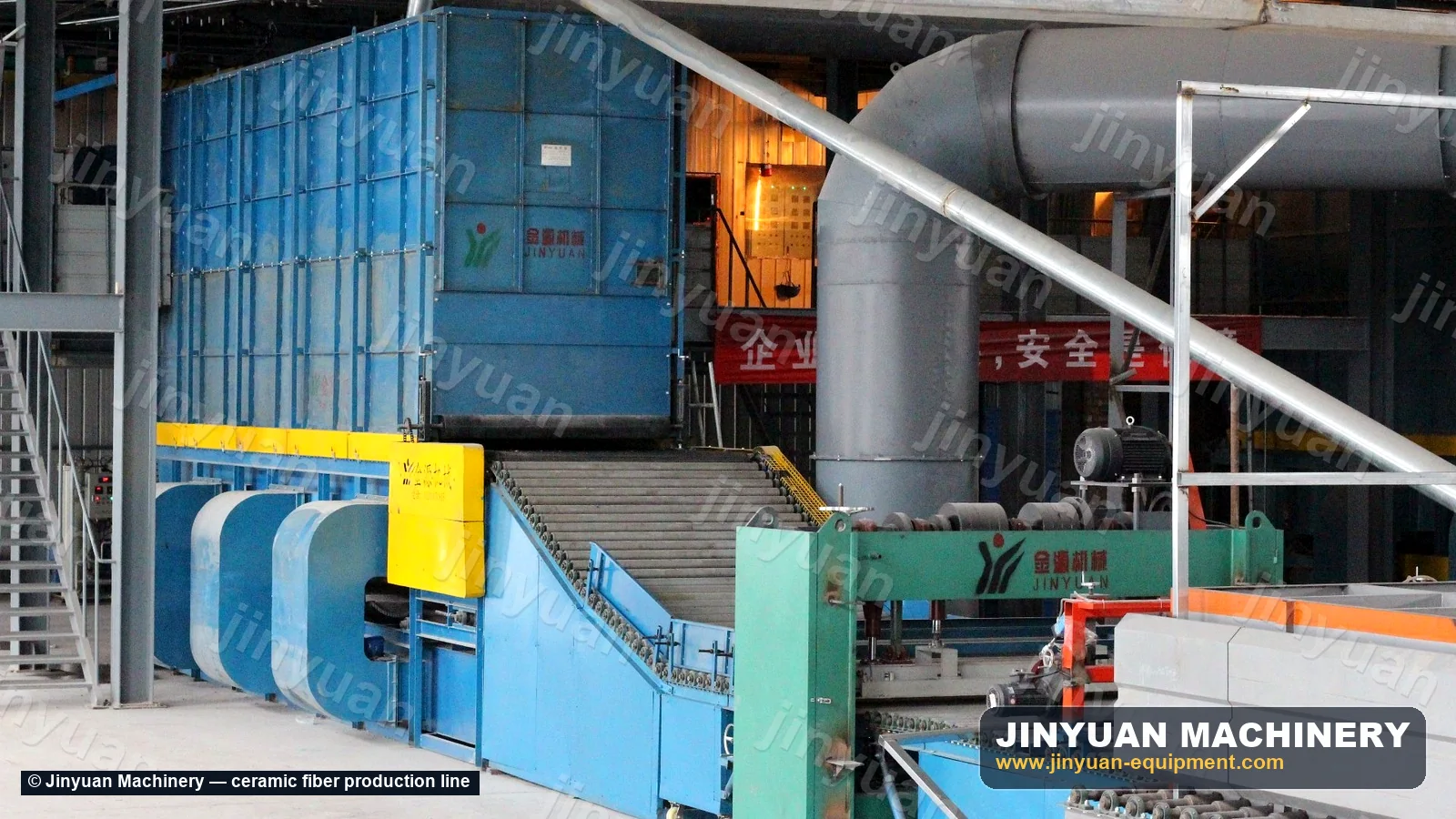
Nine systems, station by station, with the published figures for each — then the half of the purchase nobody prices: power capacity, compressed air, cooling water, dust extraction and the four speed setpoints that hold the line together.
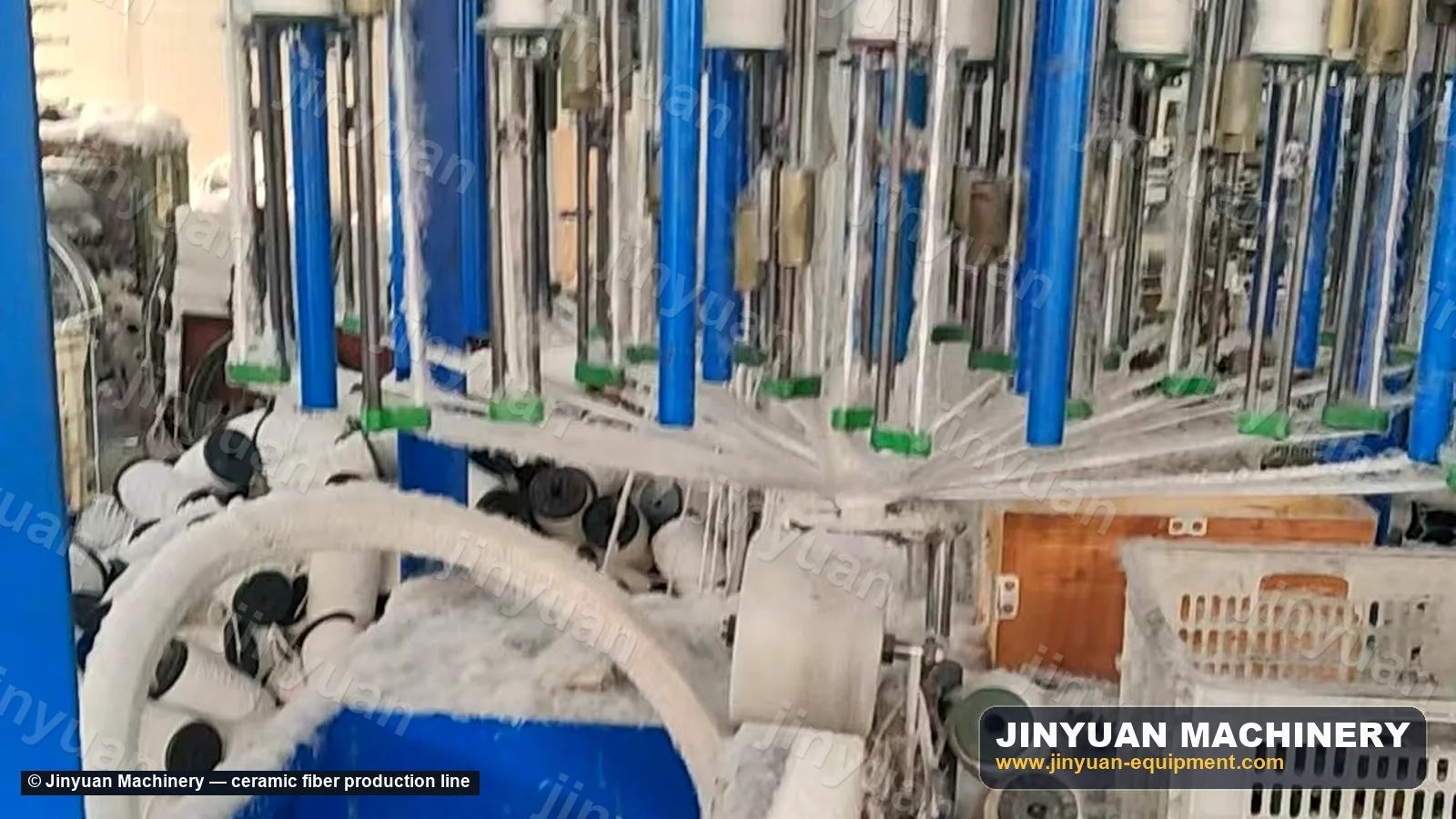
How fiber length, lubricant and shot content affect textile-grade ceramic fiber.
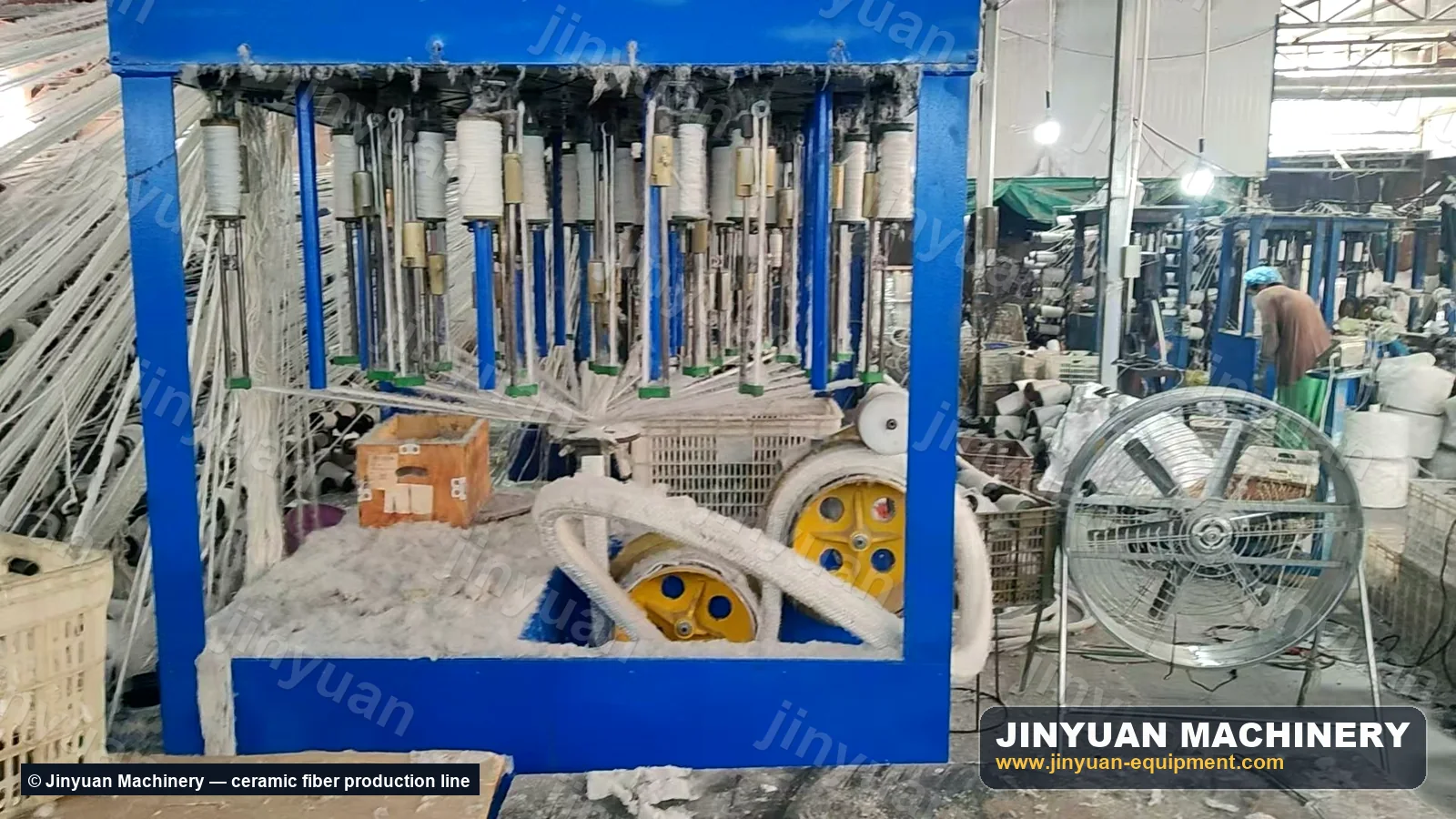
The twelve stations of a braiding line — control point, common deviation and resulting defect at each — plus upstream yarn preparation, textile-grade yarn requirements and the GB/T acceptance criteria.
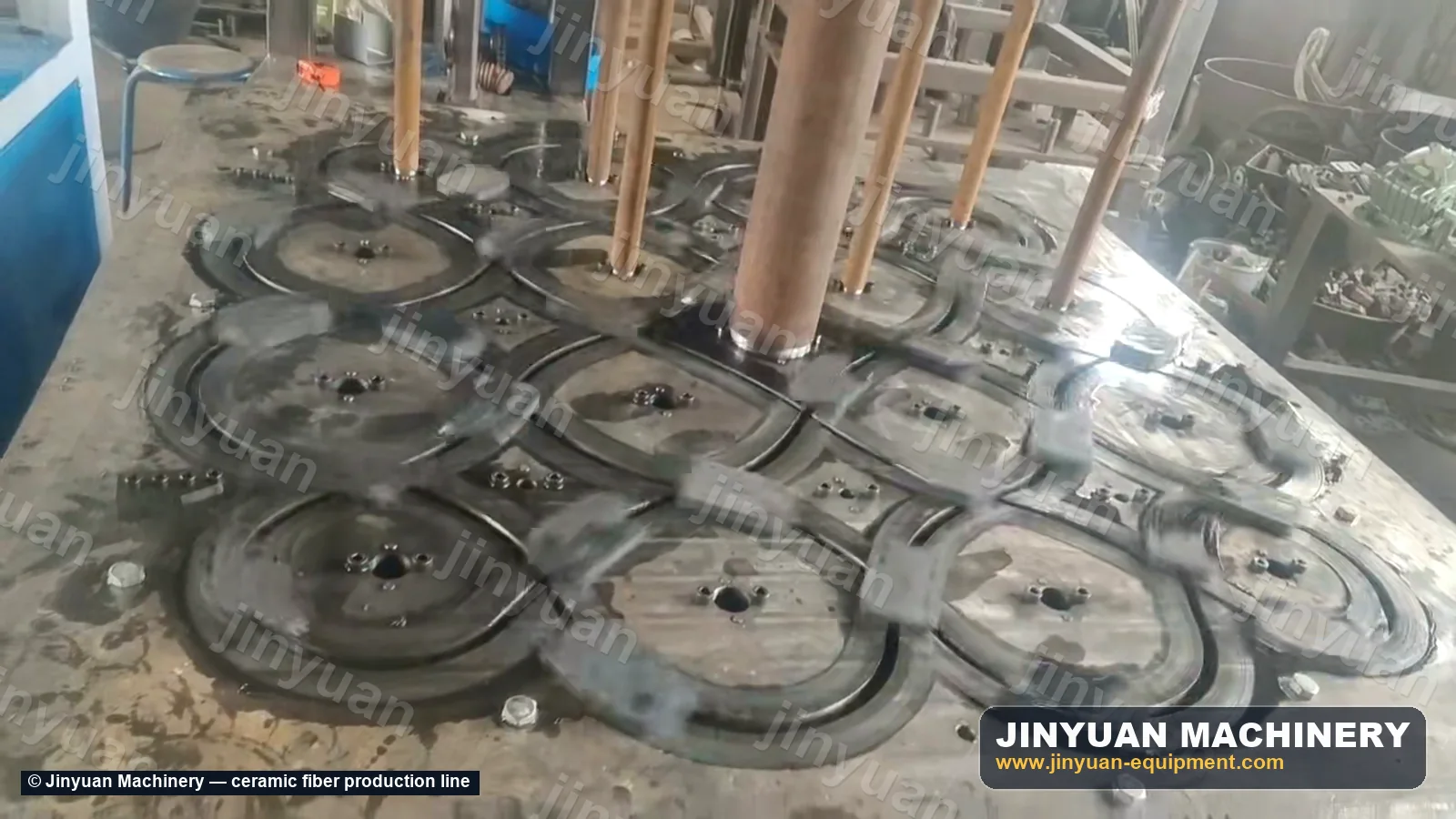
Braid structure explained from the mechanism up: how the horn gear train hands carriers between gears, what 2×2 and 3×3 interlacement do to the surface, and how to trace a pattern defect back to the deck.
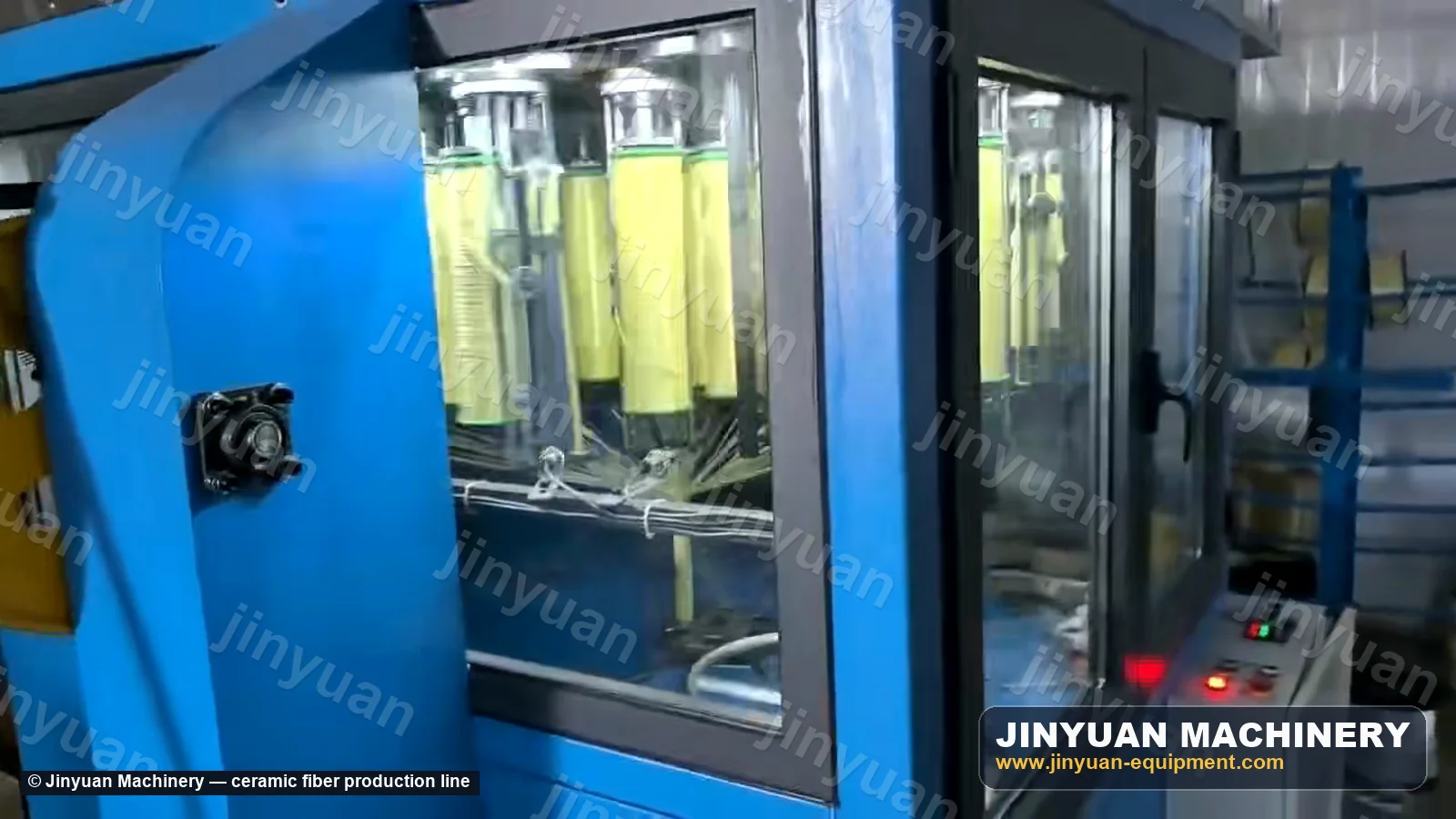
Pitch is what the operator sets and braid angle is what the customer sees. The relationship between them, why the same setting gives a different angle on a thicker rope, and how to measure both on a finished braid.
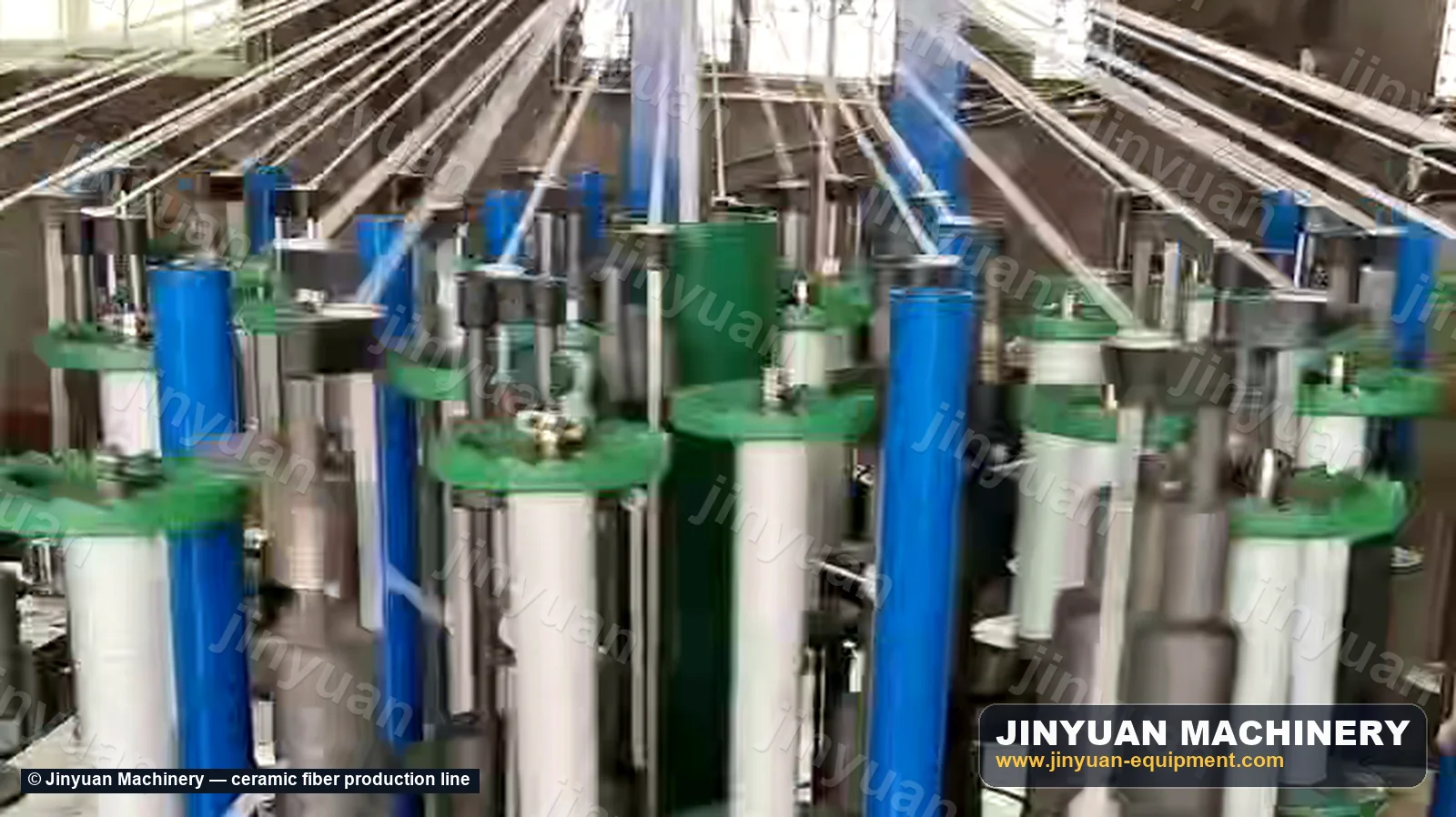
The tension path from bobbin to take-up, why a drop-weight makes tension a set value, the two threading rules, and the banding, density drift and break-stop symptoms that point back to each element.
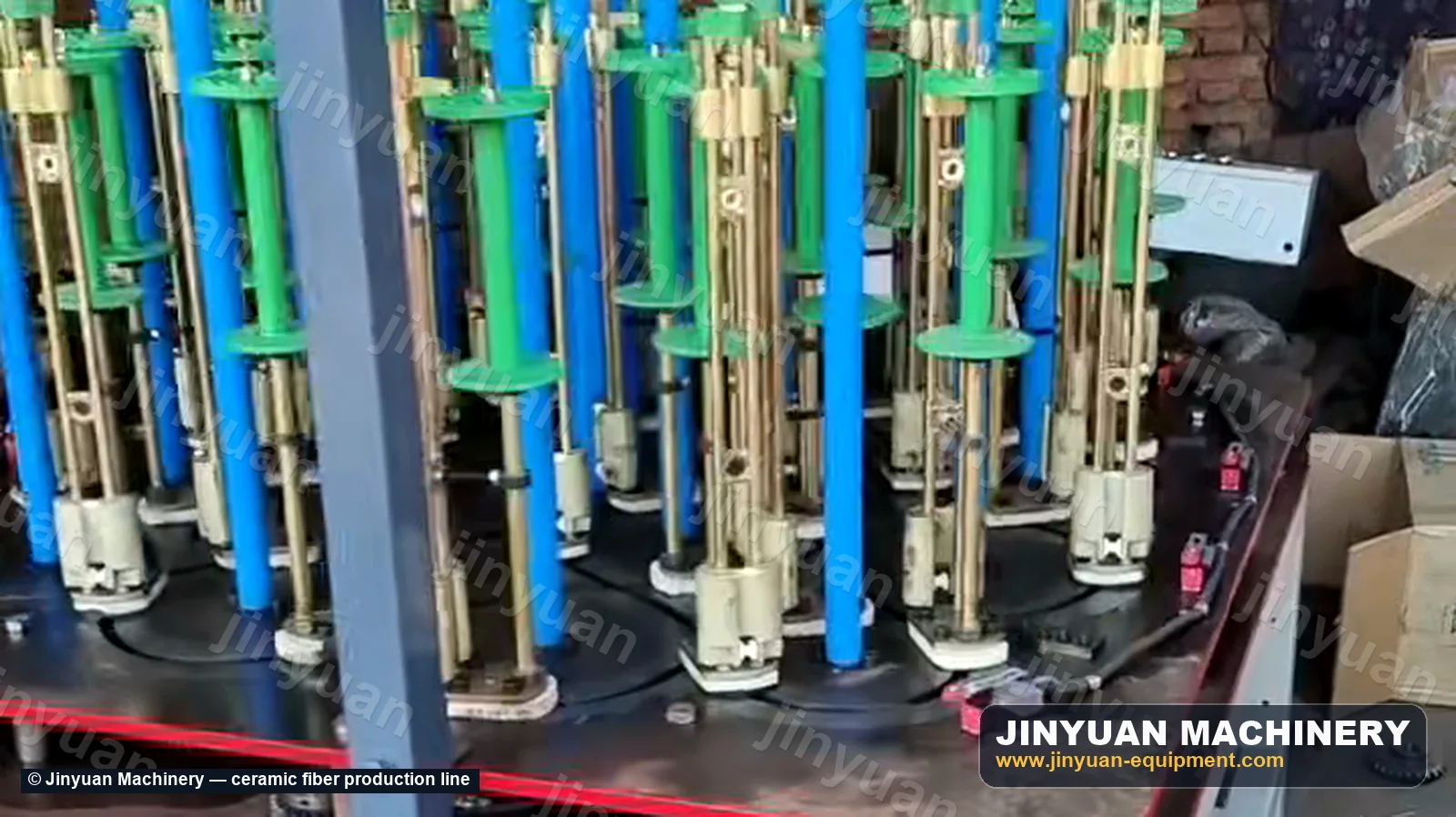
What a changeover actually changes, which braiding settings are coupled and must move together, the sequence that avoids re-work, and first-off approval against the GB/T appearance clauses.
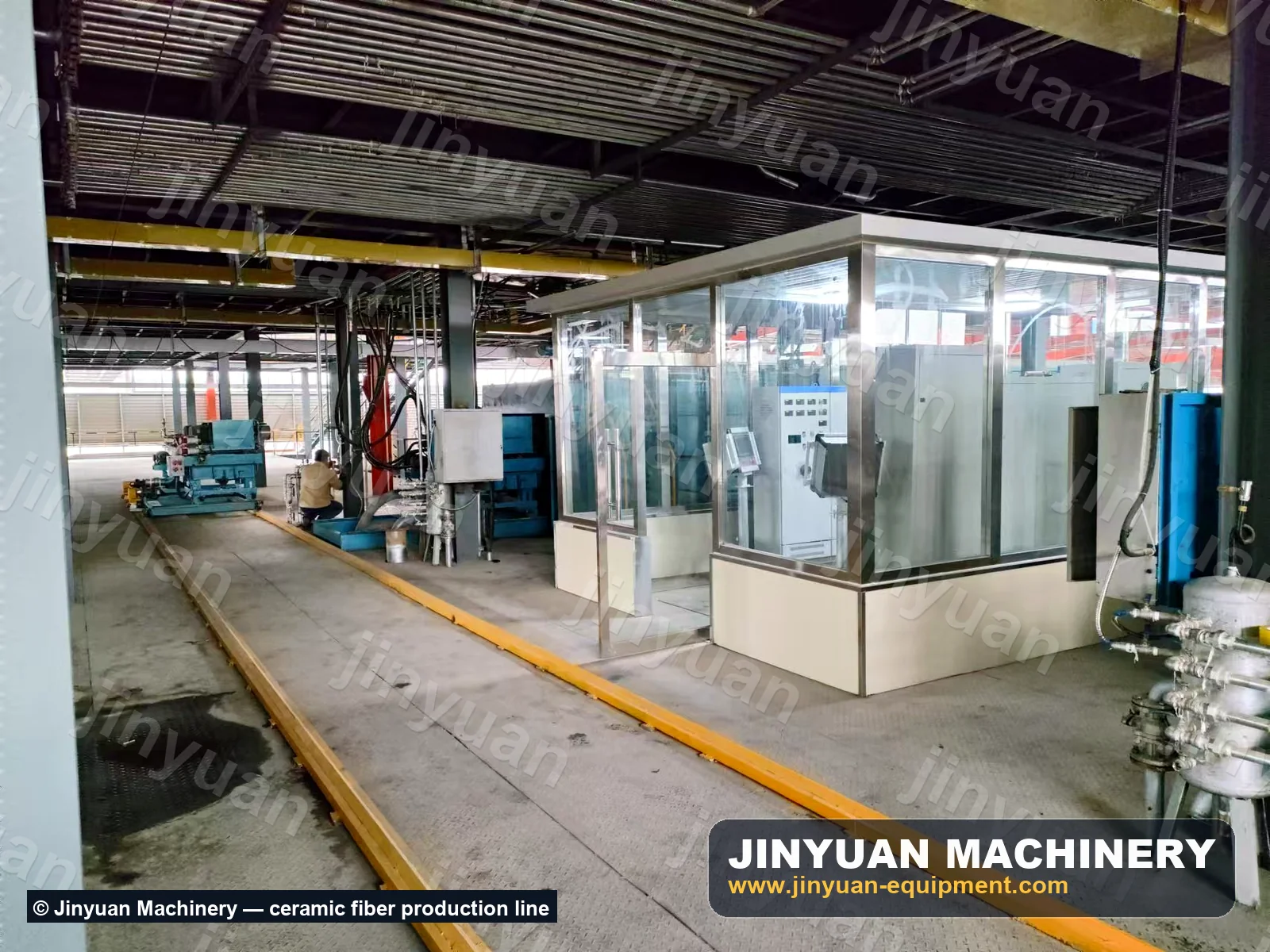
One-way workshop layout, zone design parameters, GB 40877 energy benchmarking, environmental and fire compliance, automation headroom and the investment split — plus the pre-freeze planning checklist.
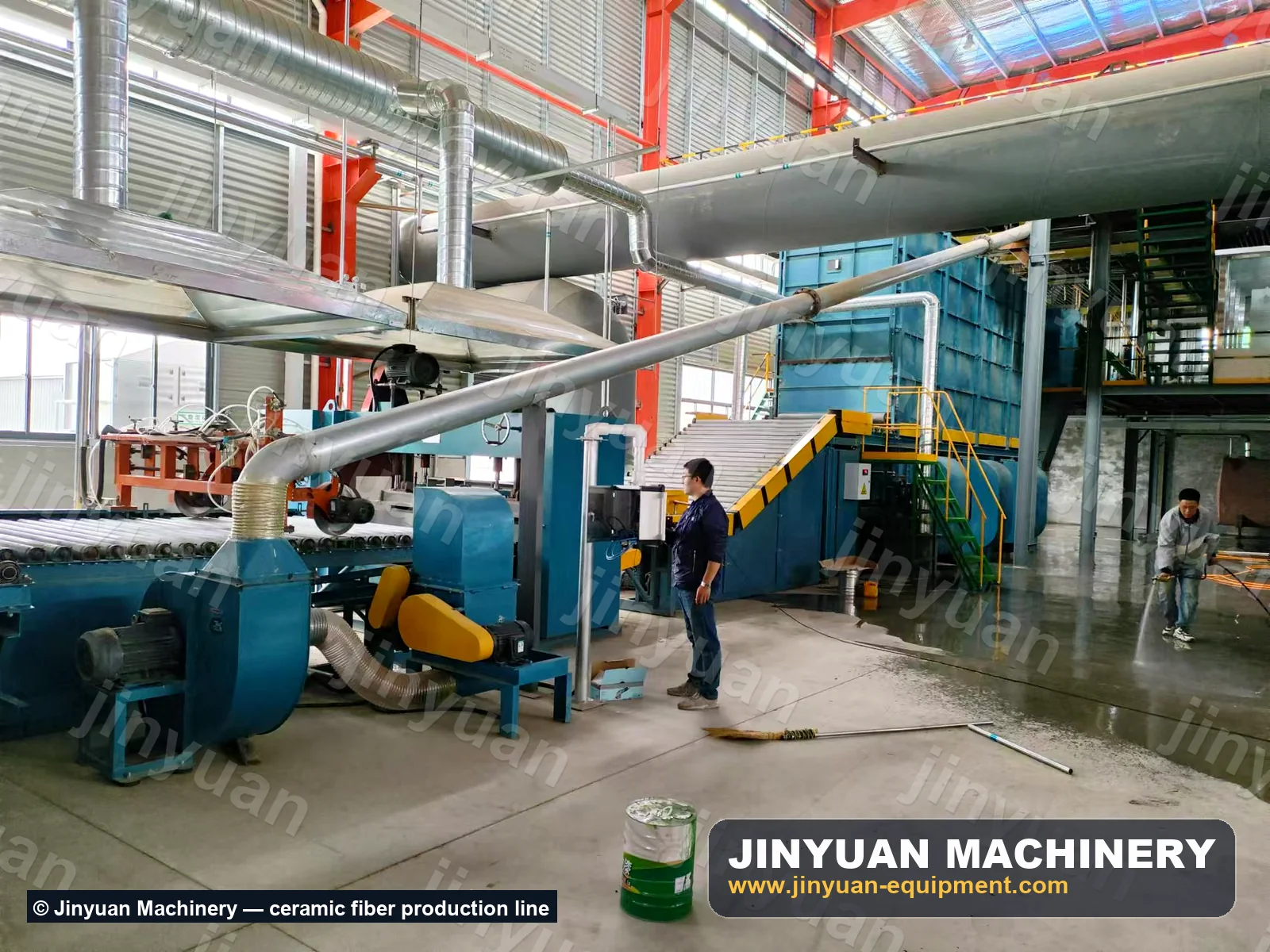
Viscosity, furnace temperature, chemistry ratio, impurities, draw ratio and cooling — the causal map of fiber quality, with control ranges, a troubleshooting priority table and the GB/T test panel.
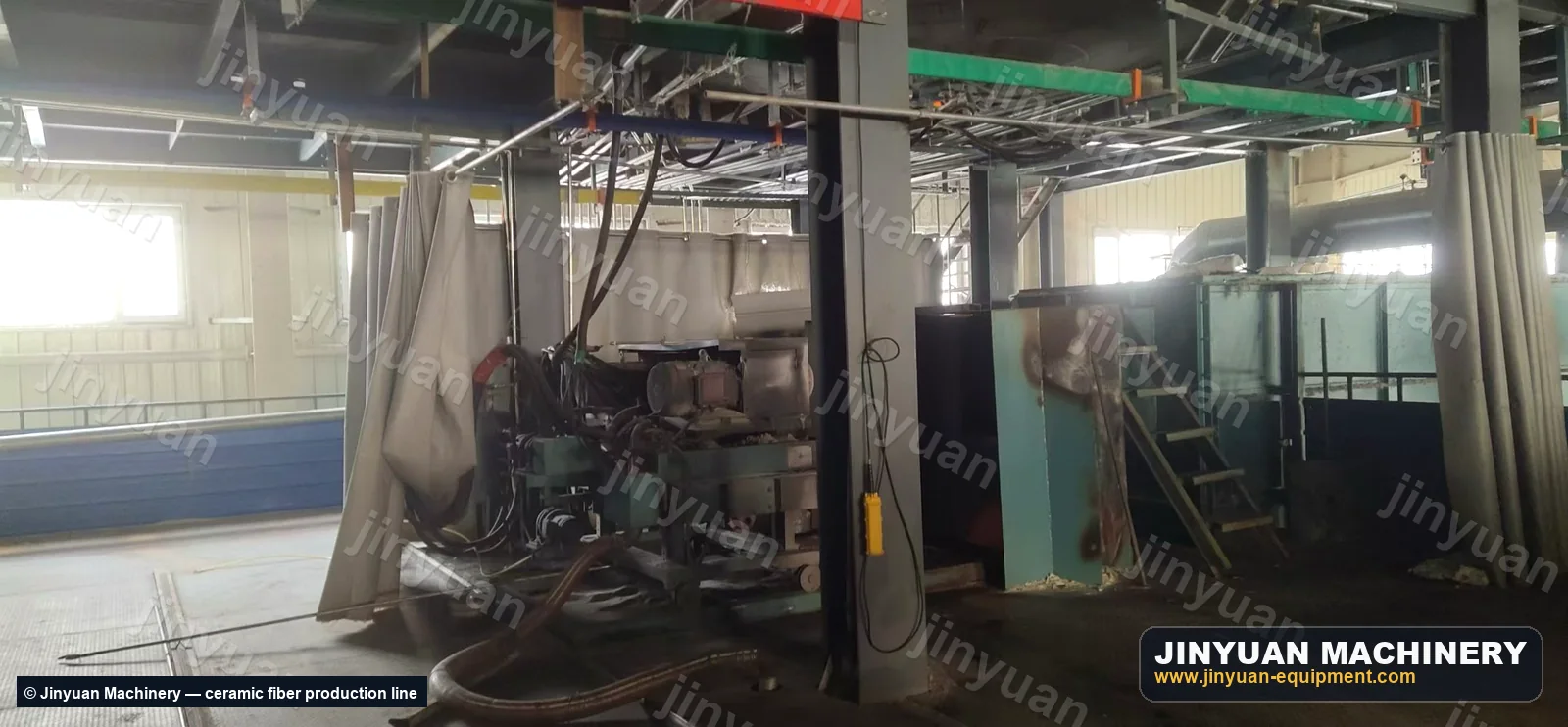
Fiber diameter uniformity drives conductivity, strength and surface quality. Seven control points from melt viscosity to closed-loop linkage — with CV targets, sampling plans and the response sequence when it drifts.
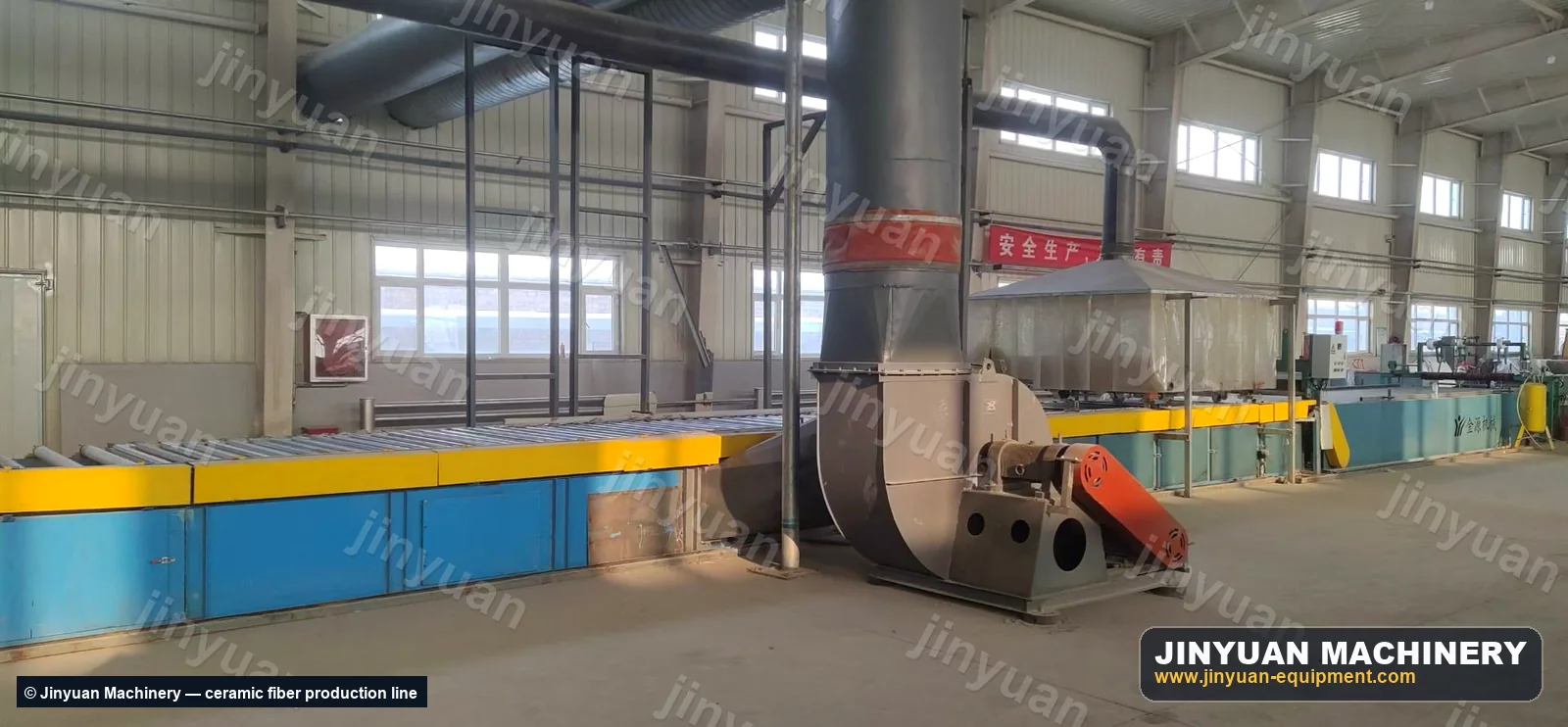
Shot, coarse fiber, delamination, shrinkage and density variation — the seven defects that fail acceptance tests, each with its mechanism, symptom–cause–fix table and GB/T acceptance limits.
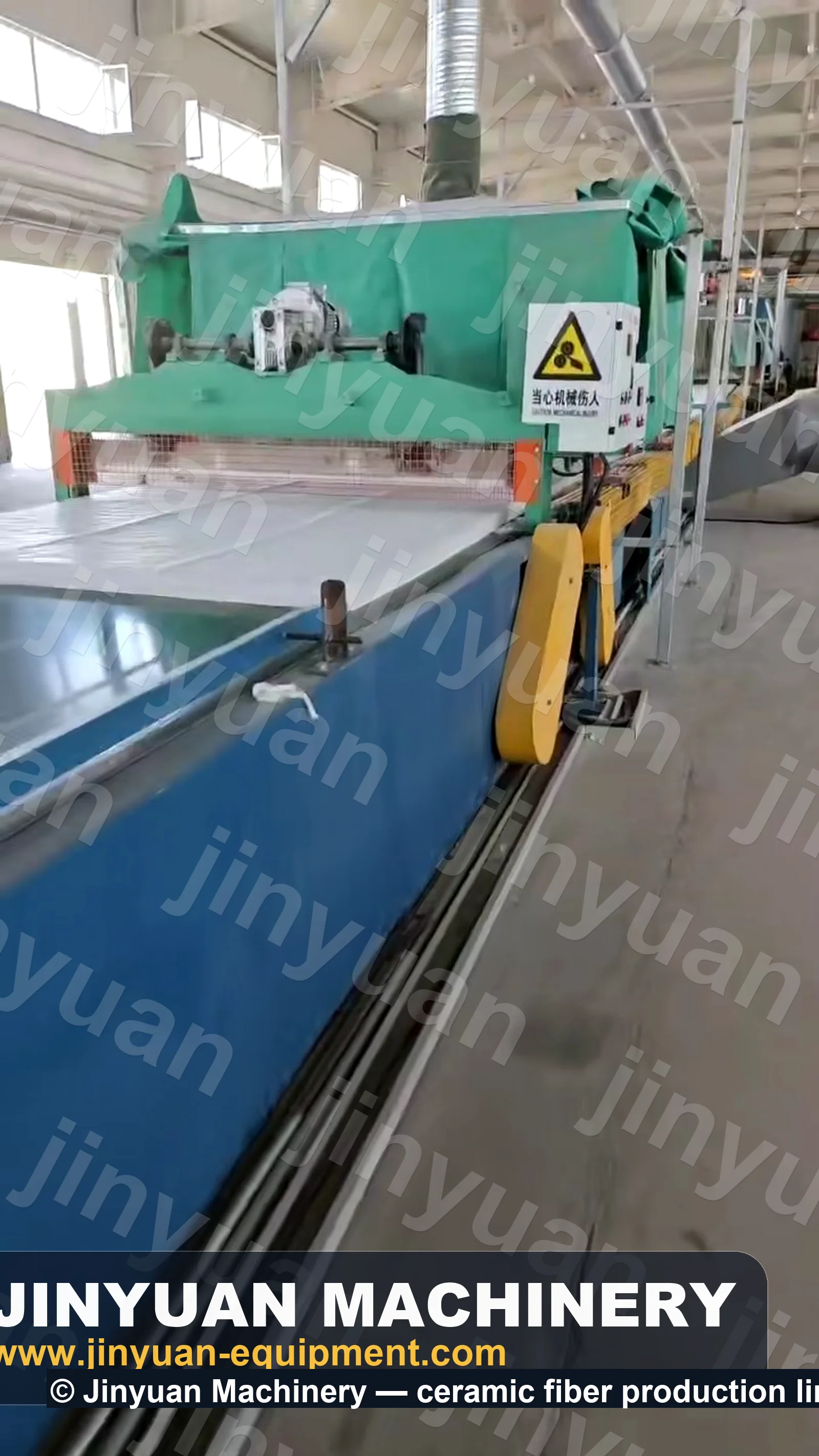
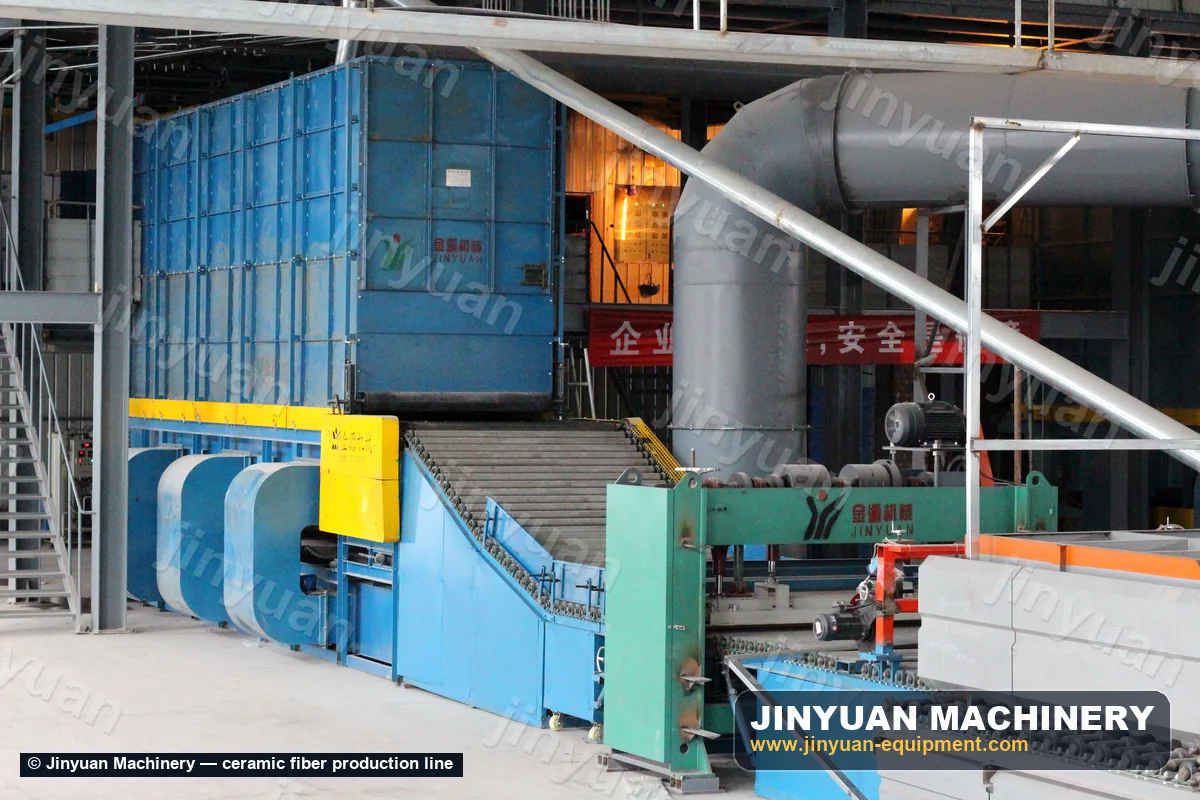
All seven stages of a dry-process needle-punched blanket line — batching, 1900–2200 °C melting, two-roller spinning, vacuum collection, needling and heat setting — with the five control points that decide final quality.
From the 1941 Kaowool breakthrough and the asbestos ban to spinning generations — single, three and two rollers — and China's rise to half of world production. Eighty years of the industry that built today's lines.
How a 2,000°C alumina-silica melt becomes 3–5 µm fiber — centrifugal force, melt viscosity windows, surface tension, why shot forms and roller-based fiber formation.
How the control layer of a ceramic fiber line works — PLC interlocks, sensor selection, bearing temperature and vibration monitoring, melt-flow laser control and batch quality traceability.
How to choose ceramic fiber blanket thickness (6-50mm) and density (64-160 kg/m³) for your application — and how the needling stage produces each combination.
The mechanical relationship between needle punching and ceramic fiber blanket density and tensile strength — penetration density, fiber interlock and how to hit your spec.
Single-board needling penetrates from one side, double-board from both in sequence. Why most ceramic fiber blanket lines use double-board needling for uniform full-thickness density.
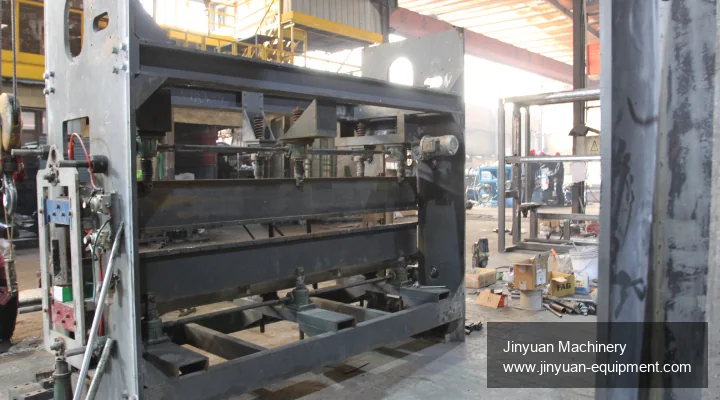
The four root causes of needle breakage on a ceramic fiber needle loom — wrong needle spec, shot content, misalignment and wear — and how to fix each one.
Why needle specification is graded by ceramic fiber blanket thickness — heavier gauge and deeper barbs for thick blanket, finer needles for felt — and the cost of a single spec across the range.
How needle loom stroke rate is set against blanket thickness — why heavy-duty needling runs roughly 130 strokes/min at 50Hz, and what happens when it is too fast or too slow.
Practical roller maintenance for ceramic fiber spinning machines — inspection, bearing cooling, wheel replacement schedules and the signs of erosion that spike shot content.
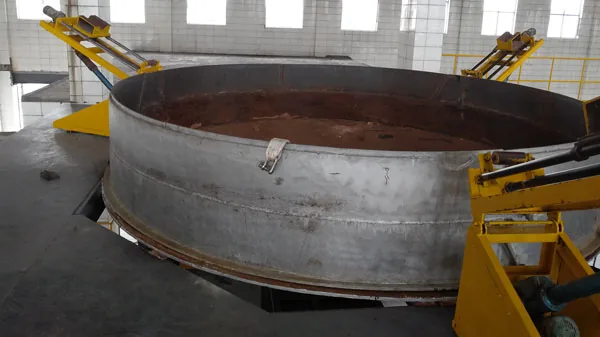
Fiber diameter control in ceramic fiber spinning — how roller speed, melt temperature and flow rate interact, and why 2-5 μm is the target window for blanket and board.
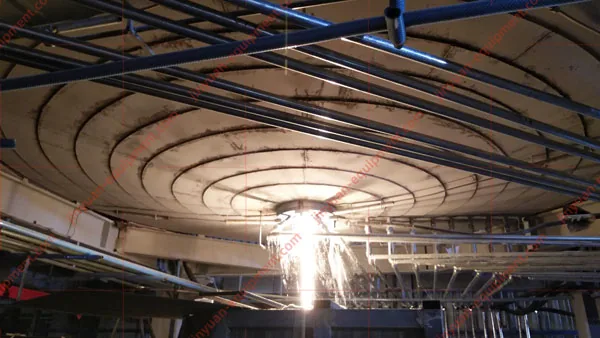
Shot content — the unfiberised particles in ceramic fiber — drives needle wear, surface defects and product grade. How it forms at the spinning stage and how to control it.
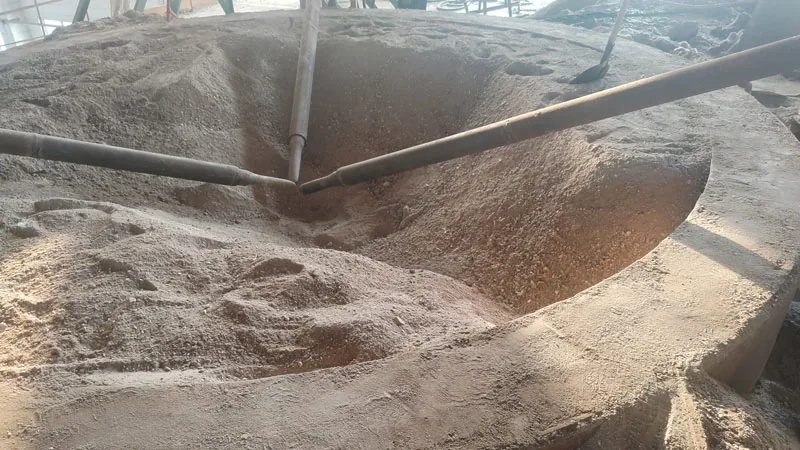
Why the two-roller ceramic fiber spinning machine replaced the three-roller design a decade ago — capital cost, energy, maintenance and fiber quality explained with engineering detail.
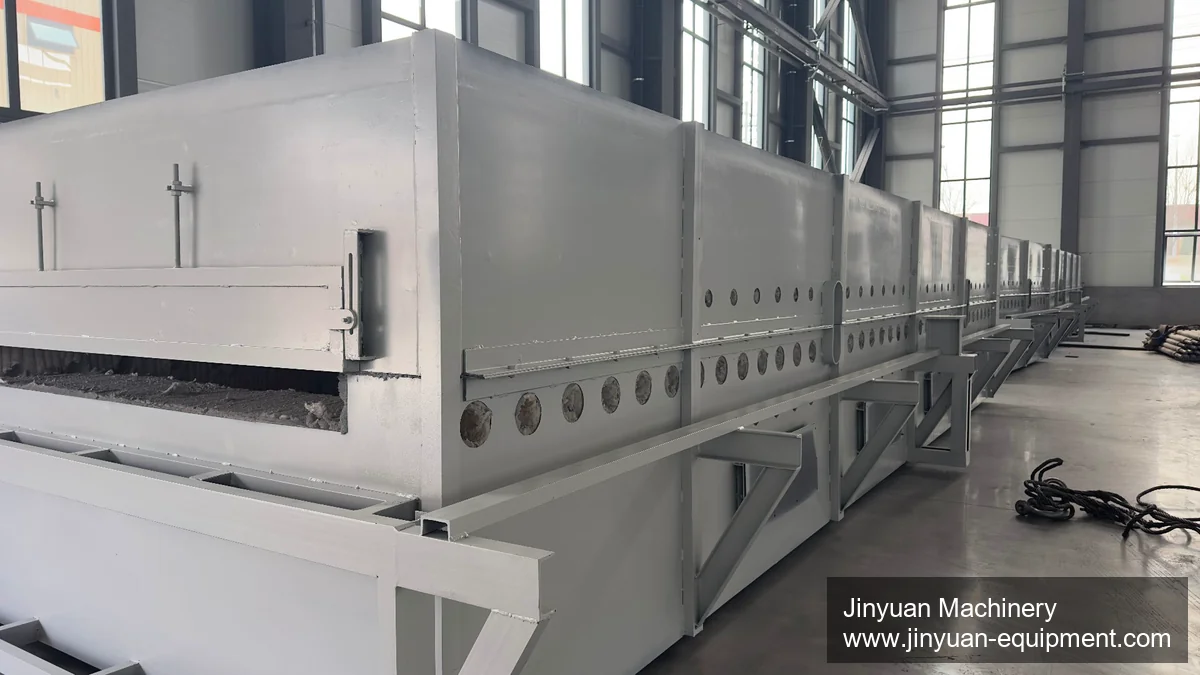
A 10-step framework for evaluating whether a blanket line investment makes sense in your country — with real numbers and buyer examples.
Cost, floor space, labor, raw materials, delivery timeline, grades, energy consumption — everything a first-time buyer needs to know.
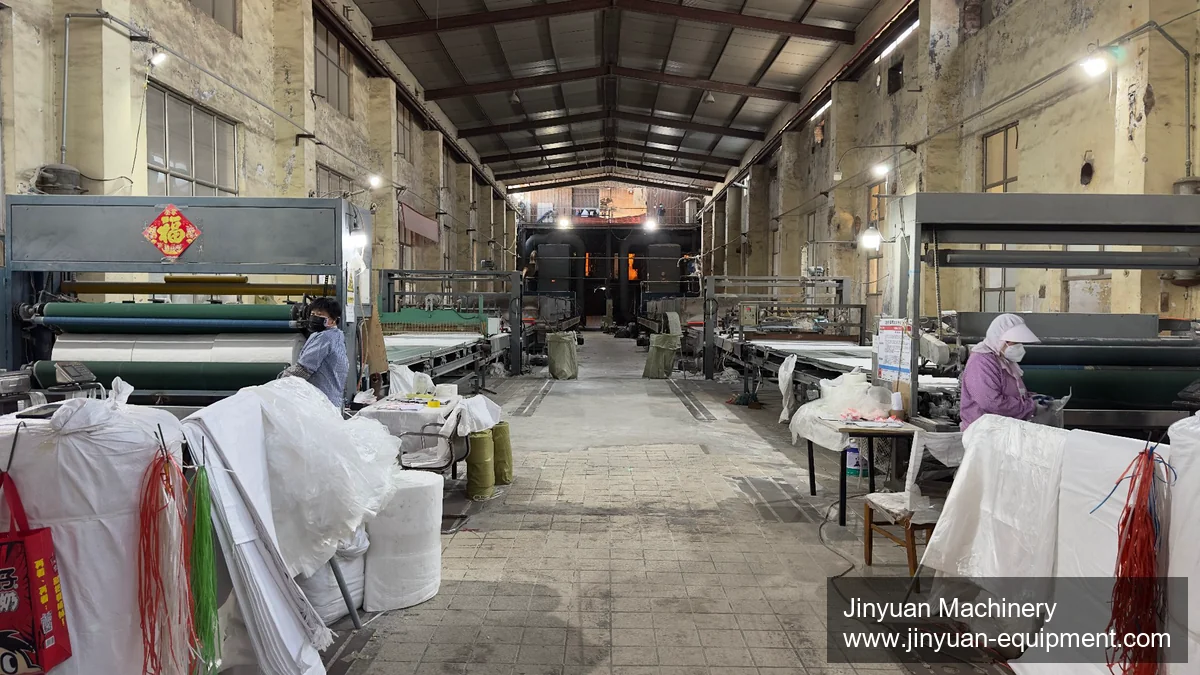
Why mechanical engineering quality is the foundation that makes automation meaningful — frame rigidity, precision needling, and PLC control.
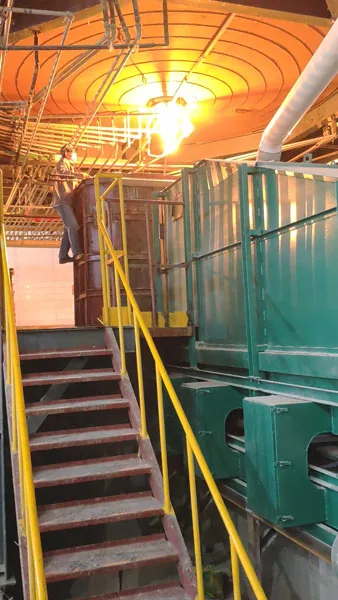
High-temperature protection, electrical safety, fire prevention, dust control, and global compliance — safety as a core design principle.
Understanding the full production process from raw material to finished blanket — melting, spinning, needling, curing, and packaging.
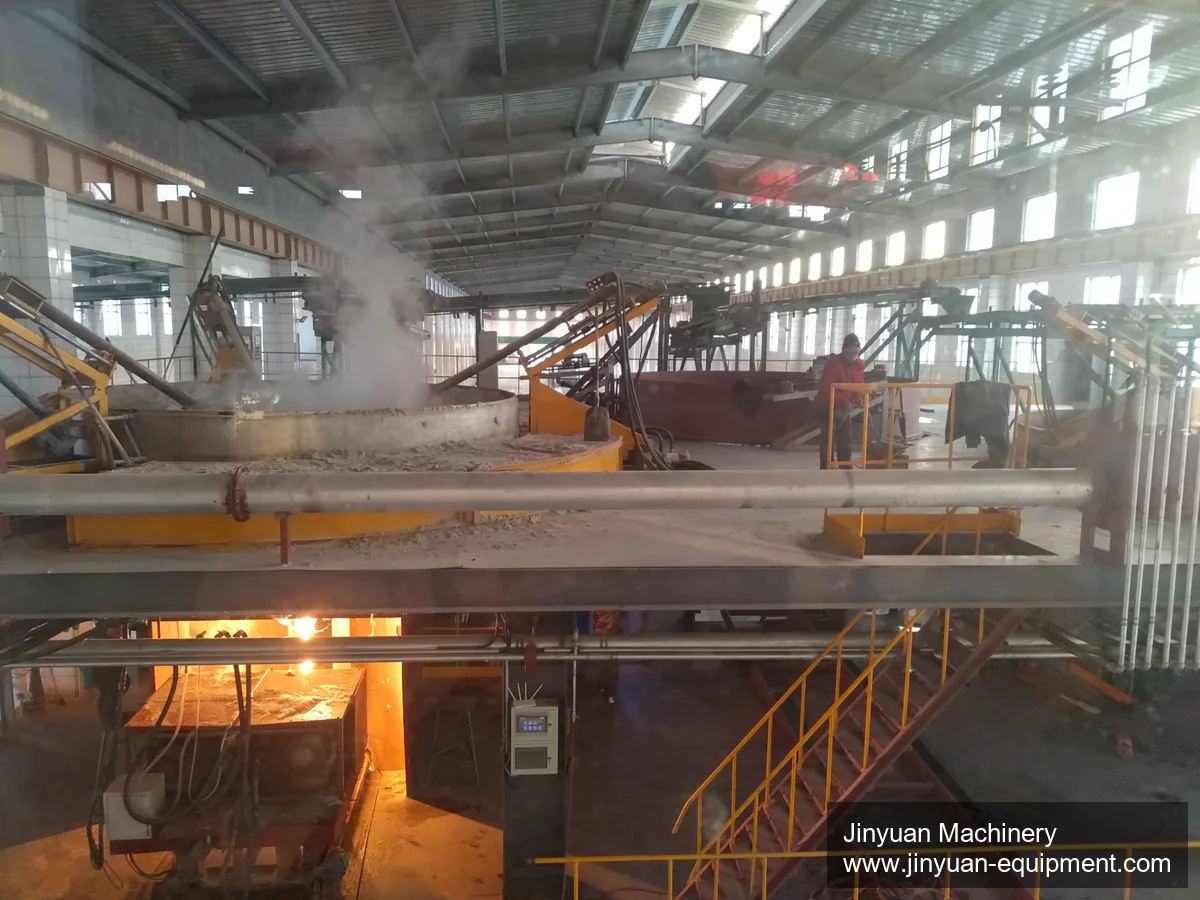
How spinning technology determines fiber quality — diameter control, shot content, and roller settings.
Our engineers are happy to discuss your specific requirements — no obligation.
Contact Us