
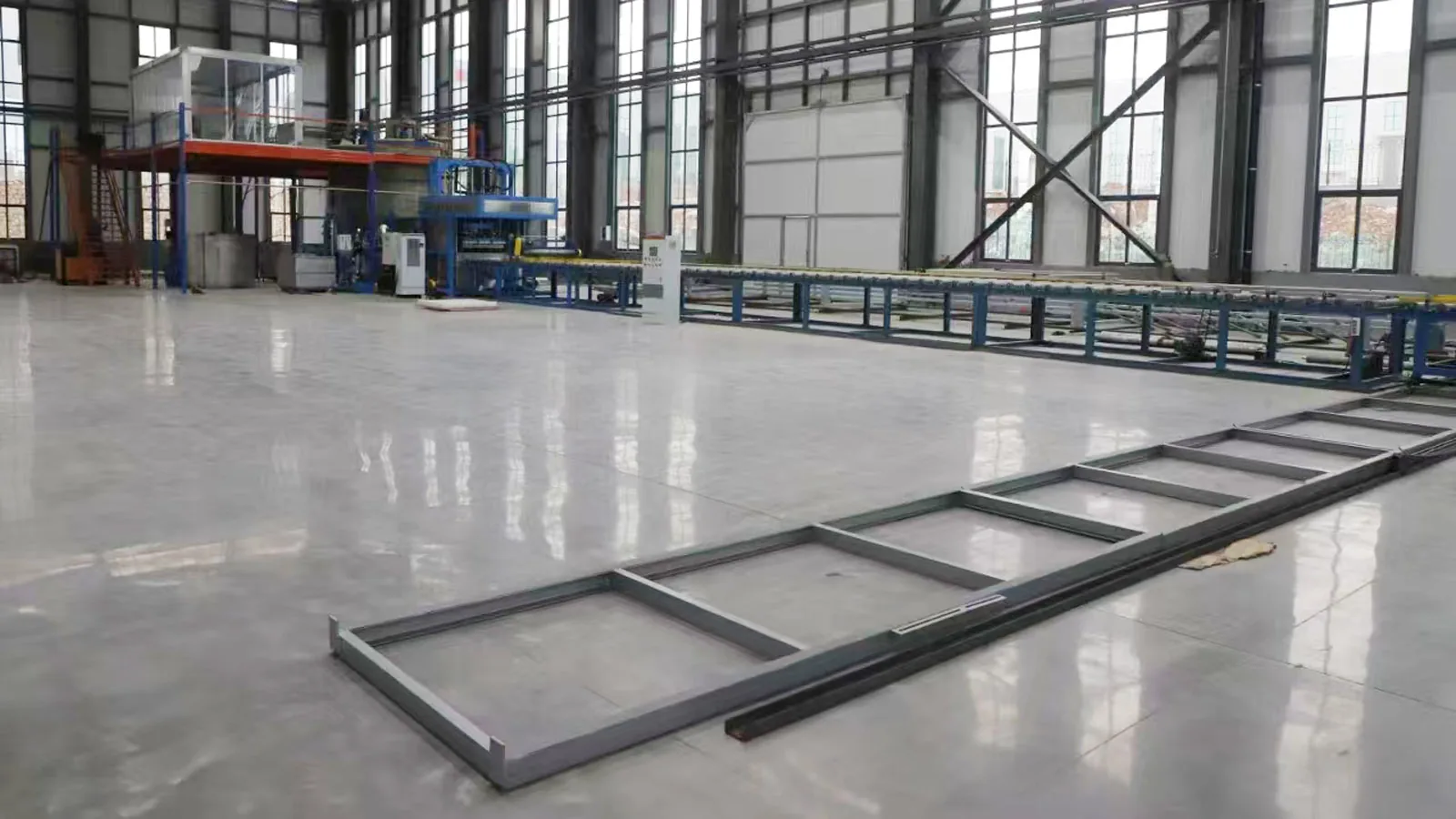
Wet-forming board manufacturing — from slurry preparation to finished rigid insulation panels
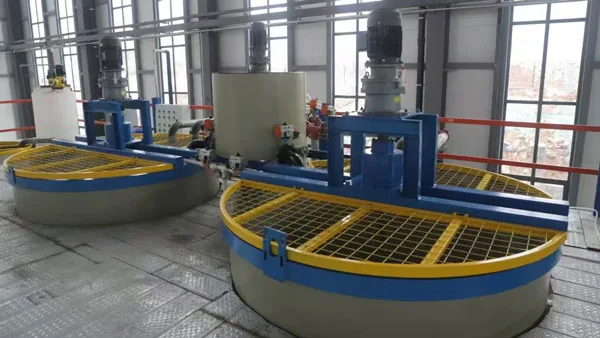
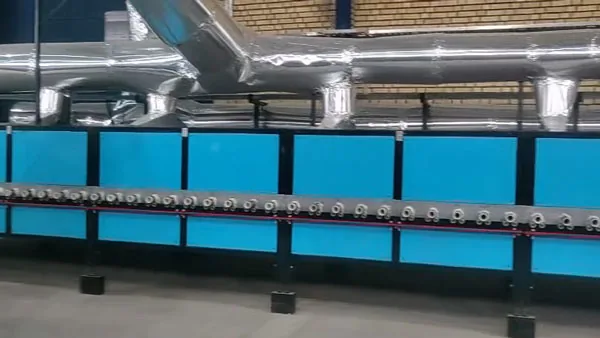
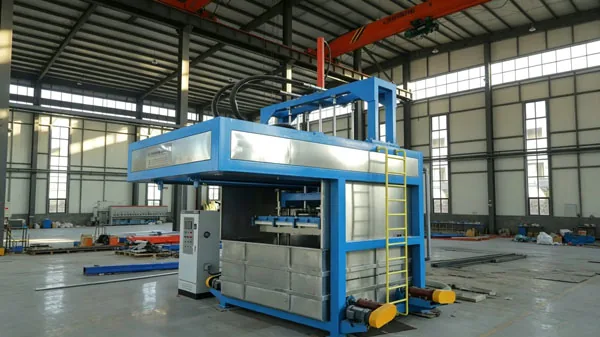
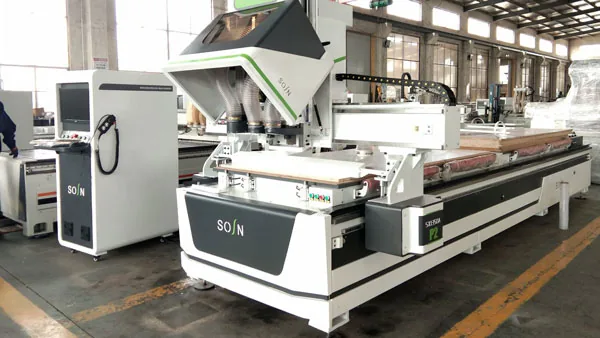
Jinyuan designs and manufactures batch and continuous ceramic fiber board production lines. Both turn bulk fiber into rigid insulation board through slurry preparation, vacuum forming, pressing, drying and finishing.
Choose the route around your board sizes, thickness and dry density. Bulk fiber can come from a Jinyuan bulk fiber line or your existing supply. The press, molds, dryers and finishing stations are sized for the same product mix.
Compare batch and continuous forming · Review supply and acceptance
| Annual capacity | 500–2,000 t/year, depending on configuration and operating schedule |
|---|---|
| Reference continuous output | 6 t/day on one 8-hour forming shift; see the reference assumptions and output calculation |
| Classification temperature | 1260 / 1350 / 1430 °C, set by the fiber feed |
| Standard finished board sizes | 1230 × 1230, 1030 × 1030, 1200 × 1000 and 900 × 600 mm |
| Board thickness | 10–50 mm per mold set; 6–100 mm across configurations |
| Bulk density | 220–600 kg/m³ |
| Density tolerance | ±10% |
| Forming and pressing | Vacuum wet-forming; hydraulic or roller pressing. Up to 20 boards/hour per forming machine. |
| Drying | Multi-zone hot-air tunnel rooms; electric heating standard, gas or steam optional |
| Finished thickness control | ±0.5 mm after double-side sanding on the reference finishing setup |
| Cutting accuracy | ±0.5 mm on the four-side CNC saw; verify against the specified board format |
| Water system | Filtered recirculation; 200 m³ buffer pool in the reference layout |
| Controls and power supply | PLC + HMI; 380 V / 50 Hz / three-phase, customizable |
| Reference workshop | Approximately 60 × 15 m, with at least 6 m eaves height. Confirm transformer capacity from the complete equipment and heating load list. |
Board sizes and product mix: List the length, width, thickness, dry density and annual tonnage for each main board grade. Identify the thickest and densest boards and state whether they are the same grade. This helps size the molds, press and dryer.
Fiber and utilities: Tell us whether you will make or buy bulk fiber, which binders are available locally, and what water, power and workshop space the plant can provide.
Scope and acceptance: Specify required cutting and thickness tolerances, which stages you already have, and what installation and commissioning support you need. Use the quotation and acceptance checklist to prepare comparable requirements.
How a ceramic fiber board production line runs from raw material to finished product
Where the output of this line is used
Rigid board used as a self-supporting hot-face layer in heat treatment and forging furnaces.
Load-bearing backup insulation in tunnel kilns, shuttle kilns and kiln car decks.
Cut gaskets and seals for furnace doors, burner blocks and observation ports.
| Batch forming | Start here for smaller runs or a varied size mix. Interchangeable molds and tray drying let you compare mold changes and dryer loading against your order schedule. |
|---|---|
| Continuous forming | Start here for repeat runs of standard formats. Water-jet trimming and suction transfer support a steady flow. Check that the dryer and finishing equipment can keep up at the required dry saleable output. |
Custom sizing: Give us the thickest and densest grades, including whether these are the same board. These limits drive the forming equipment and drying schedule.
Jinyuan scope: Process layout, specified equipment, supervised installation, cold and hot commissioning, and operator training on drying recipes and binder dosing.
Site scope to agree: Foundations, the water buffer pool, electrical distribution and available utilities. Size the electrical service from the complete load list and selected drying heat source.
Acceptance plan: Agree the board grades, sampling points and run length in advance. Record dry saleable output, moisture, density and thickness after sanding. Measure cut length and width separately after the CNC saw.
Common questions before ordering a ceramic fiber board production line
Other production lines we build
Technical guides and buyer resources
Send us your capacity requirement and product specifications for a tailored proposal.
Get a Free Quote