
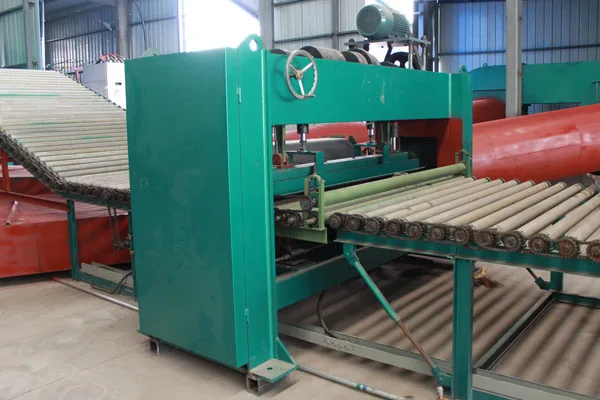
The needling stage that bonds the web and sets blanket density, tensile strength and surface finish
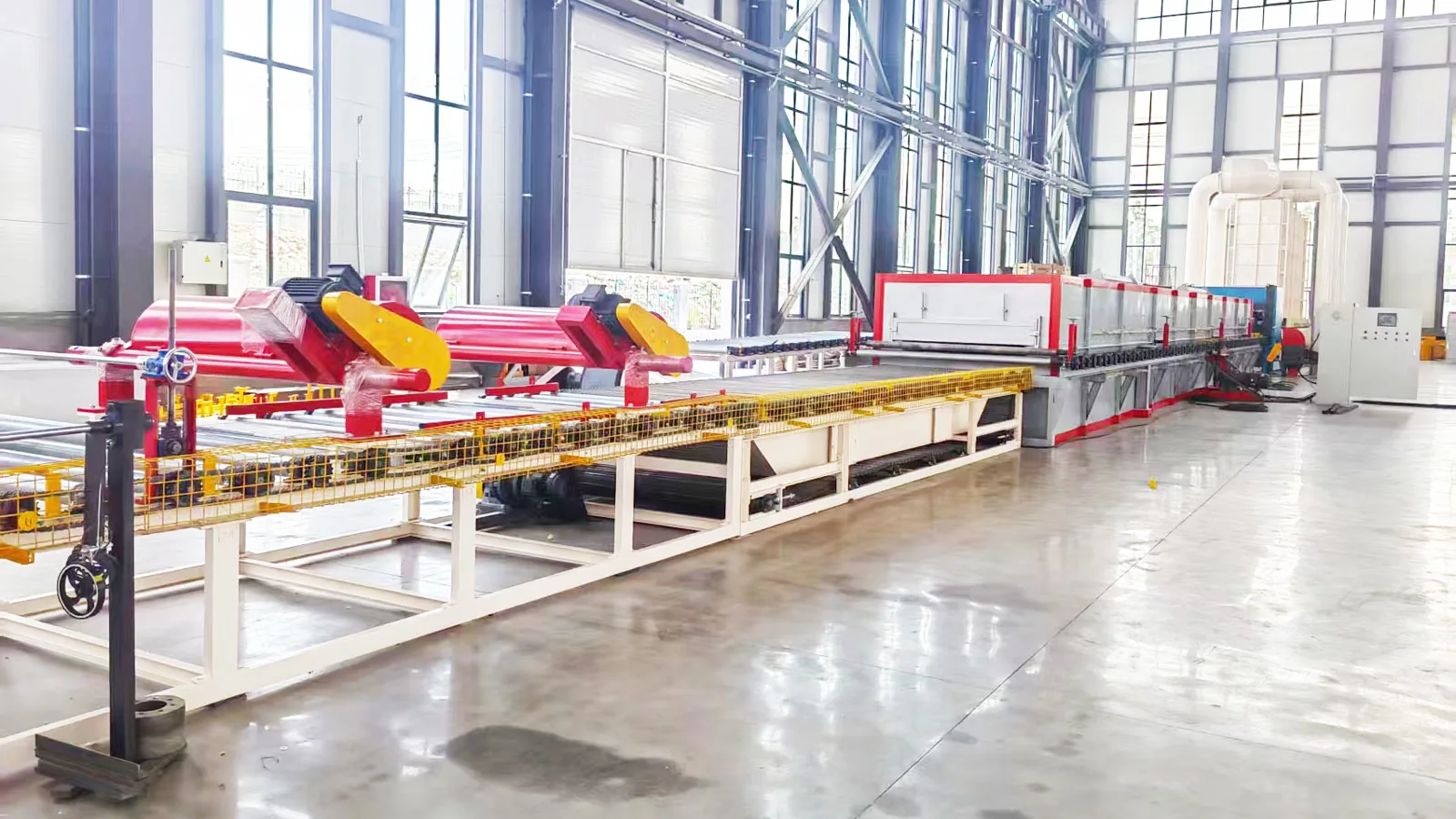
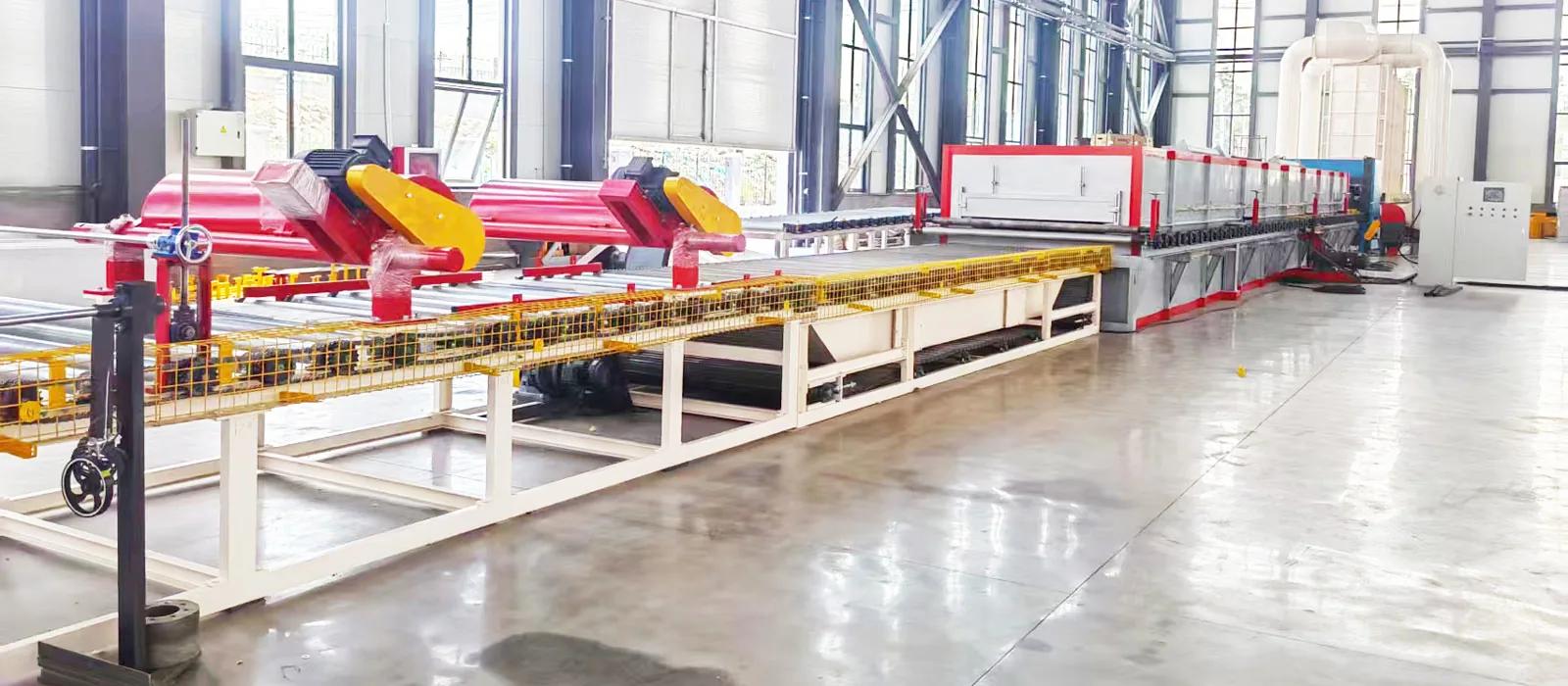
The needle loom — also called a needle punching machine — is the mechanical bonding stage on a blanket or felt line. It drives rows of barbed needles through the loose fiber web from a reciprocating needle board; the barbs catch and re-orient fibers, entangling them into a cohesive sheet without any binder. This is what turns a laid web into a handleable, self-supporting blanket with defined density and tensile strength.
Two parameters do most of the work, and they must be set together: stroke rate and needle specification. Stroke rate sets how many penetrations the web receives per metre of travel; needle specification sets how aggressively each penetration bonds the fiber. For a thick, heavy blanket, a heavy-duty loom runs around 130 strokes per minute at 50 Hz, with a needle gauge matched to the blanket thickness — thicker blanket takes a heavier needle with a longer working blade and deeper barbs, thinner felt takes a finer needle with a lighter pattern.
Getting either parameter wrong shows up immediately as a quality problem: needling too fast for the thickness produces surface streaks and broken needles, while using a blanket needle on felt overworks the sheet into something stiff and dense that the customer did not order. That is why we grade the needle specification by blanket thickness rather than running a single specification across the product range.
| Needling Method | Mechanical needle punching (barbed needles) |
|---|---|
| Needle Board | Double-board (both sides, sequential) |
| Stroke Rate (heavy blanket) | Approx. 130 strokes/min @ 50Hz |
| Working Width | 610mm / 1220mm (customizable) |
| Blanket Thickness Range | 6mm – 50mm |
| Needle Specification | Graded by blanket thickness (factory standard) |
| Needle Drive | Variable-frequency, balanced drive shafts |
| Frame | Rigid welded frame with hardened guide plates |
| Line Speed | Up to 3.5 m/min (per product) |
| Control System | PLC + HMI (needle board monitoring) |
| Power Supply | 380V/50Hz/3Phase (customizable) |
How the laid web becomes bonded blanket
What the needling stage produces
Standard and high-purity blanket across the 64–160 kg/m³ density range, the core product of most ceramic fiber plants.
Lightweight, drapeable felt for wrapping, gasketing and thermal barriers, produced with a lighter needle pattern.
Uniformly bonded blanket that folds and compresses cleanly into furnace lining modules without delamination.
Engineering decisions that show up in your blanket quality and needle life
Needling a thick blanket too fast streaks the surface and snaps needles; too slow wastes capacity. We match stroke rate, needle gauge and penetration depth to the blanket thickness as one set.
A single needle spec across the product range is a common cause of broken needles and uneven density. We grade the needle set by blanket thickness — heavy needle for thick blanket, fine needle for felt.
Rigid welded frame, hardened guide plates and balanced drive shafts keep needle breakage and blanket streaking down over long runs at production speed.
Common questions before ordering a needle loom
Other machines and lines we build
Technical guides on the needling stage
Send us your target blanket thickness, density and width for a tailored proposal.
Get a Free Quote